Fuel for thought
Published over 10 years ago. See the latest and most current information on Fuel for thought.
In the wake of over four decades of Nigerian oil spills, Amnesty International is accusing Shell of failing to launch adequate clean-up efforts. Researchers from the charity are claiming to have found evidence of contamination dating back over 45 years, despite the fact that the Nigerian government has certified the areas in question as clean.
“By inadequately cleaning up the pollution from its pipelines and wells, Shell is leaving thousands of women, men, and children exposed to contaminated land, water, and air, in some cases for years or even decades,” explains Mark Dummett, Amnesty International business and human rights researcher.
Over the past five years Shell has reported over 200 official oil spills in the African nation. While the company cites attempts to steal and siphon oil from pipes as a major contributor, Amnesty International maintains that ageing infrastructure is also a key concern.
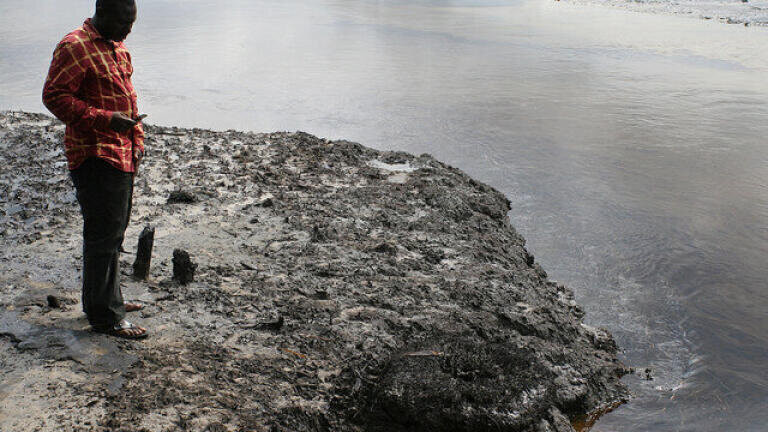
The oldest spill that still haunts Nigerian waters occurred in 1970. Today, researchers described the aftermath as “waterlogged areas with an oily sheen” where “soil was black and encrusted with oil.” This is despite the fact that in 1975 and 2012 the Nigerian government and Shell certified the area as clean. Soil in areas around the Bomu Manifold was also found to be “soaked with crude oil” as a result of a fire that occurred in 2009.
At present the Nigerian government insists that visible oil spills in water must be removed within 60 days. However, recent photographs obtained by Amnesty International researchers working for the Centre for Human Rights and Development have revealed clear evidence of oil years after spills have occurred.
The report was released in conjunction with the 20th anniversary of the execution of nine Ogoni tribal leaders who fiercely campaigned against oil extraction in their lands. At the time Shell was accused of “collusion” in their deaths, eventually paying a US$ 15.5 million civil claim to the families of the deceased.
For Nigeria, Amnesty warns that collaborating with Shell’s cover up efforts is hugely detrimental to its people.
“Oil spills have a devastating impact on the fields, forests, and fisheries that the people of the Niger Delta depend on for their food and livelihood. Anyone who visits these spill sites can see and smell for themselves how the pollution has spread across the land,” adds Dummet.
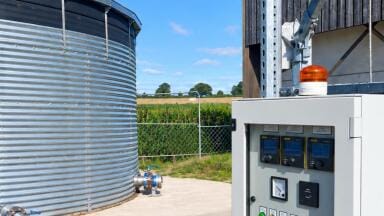
Spills are serious business in the oil and gas industry. In the article ‘Is it worth ‘splashing out’ just in case?’ Level Product Specialist at Endress+Hauser Ltd Chris Brennan discusses the benefits of investing in high level alarms when considering the subject of overspill prevention.
Image via Flickr Creative Commons. Credits: Friends of the Earth International
PIN 27.4 Aug/Sept 2026



 Product directory


.jpg)