Fuel for thought
Published over 10 years ago. See the latest and most current information on Fuel for thought.
While the earliest oil magnates transported their petroleum using horse drawn wagons and leaky barrels, today’s industrialists are markedly more sophisticated. That said, despite the advances in transport technology accidents still happen on a regular basis which can spell disaster for the natural environment, employees and local populations. The boom in oil production has led to countless accidents, with many resulting in multiple fatalities. In 2013 a Canadian train crash killed 47 people while a Californian oil pipe crack spewed over 143,000 gallons of crude into the Pacific Ocean and its surrounding beaches.
So how can companies boost the safety credentials of their petroleum transport strategies? Read on as we explore the safest ways to transfer oil from A to B.
Today, the oil industry relies on four major methods of transport to get crude oil from well to refinery and beyond - rail, boats, trucks and pipelines. According to Kenneth Green, crude-oil transportation safety researcher for the Canada-based Fraser Institute, all are here to stay. “All four modes have always and will always be with us,” he says. “What institutions must ensure is that the most oil moves by the safest way, with the caveat of ensuring we protect the health of humans and the environment.” That said, experts are always looking at ways to make the methods safer. Here’s how:
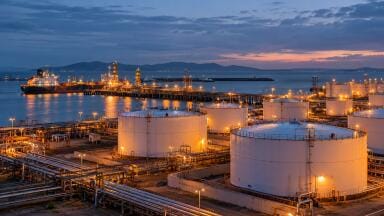
In 2014 pipelines delivered 3.4 billion barrels of oil, or 58% of the total production figure. They’re cheap, efficient and easy to use, however they do account for their fair share of spills, the latest being the Plains All American disaster. To address this the American Petroleum Institute is currently in the process of developing a comprehensive new set of standards for pipeline safety.
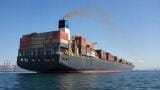
Every year boats transport 2.2 billion barrels of oil, equating to 37% of the world’s total. They’re capable of transporting huge volumes however the environmental damage of spills is colossal. In the US the Congressional Research Service has instructed the Coast Guard to begin carrying out safety inspections for the motorised towing vessels that propel barges up and down rivers such as the Mississippi.
Trains transport 157 million barrels of crude from A to B, representing just 2.7% of the total haul. To up the ante of safety standards railroads have restricted maximum speeds and insisted shippers to use reinforced tank cars. A mobile app called AskRail is also being used to help the public monitor crude-tanker traffic and coordinate emergency efforts if necessary.
Just 152 million barrels of oil are transported by truck. David Bradley, CEO of the Canadian Trucking Alliance maintains that the industry is taking steps to increase safety levels, with adequate driver training a key concern.
Want to know more about safety in the oil industry? ‘Regulations Governing the Use of Non-Certified Instruments within the Oil, Gas & Petrochemical Industries’ discusses the regulations and guidelines relating to the use of non-certified hand-held instruments within potentially hazardous working environments.
PIN 27.4 Aug/Sept 2026



 Product directory


.jpg)