Fuel for thought
Published over 10 years ago. See the latest and most current information on Fuel for thought.
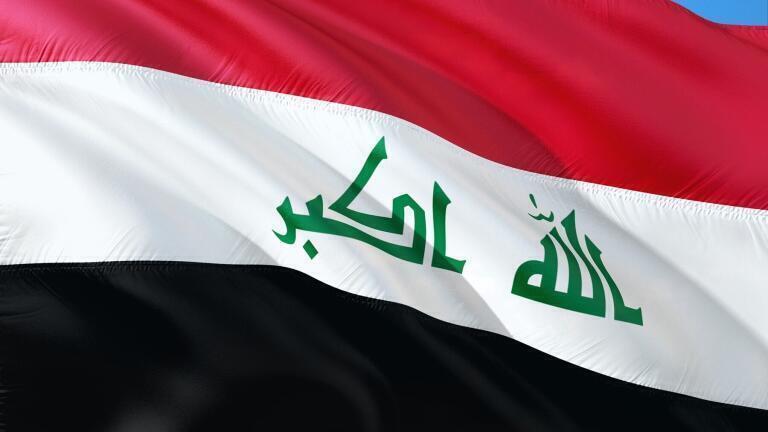
Plummeting oil prices have shaken the global oil economy, and needless to say some countries are feeling its wrath more than others. As a nation in the midst of a war that’s dislocated its population, Iraq is now on the verge of bankruptcy. At least according to some analysts who are seriously concerned about the health of the republic’s economy.
Referred to by Iraqi officials as “the gap,” falling oil prices have left Iraq reeling. Currently, Iraq is on track to encounter a budget deficit of US$25 billion in 2016. Though with this prediction based on oil prices stabilising at US$45 a barrel, the shortfall could be severe if prices continue to remain at the US$30 mark.
With the government paying out almost US$4 billion in pensions and salaries every month to its seven million military and public sector employees, lack of revenue from oil has seriously shaken its bank accounts. A huge 90 % of government revenue is sourced straight from oil, which means that the crude price drop has had a catastrophic effect on national budgets.
In a bid to help Iraq maintain its military spending the US has stepped in with financial support. The idea is to help the nation maintain the fight against the Islamic State while it sources international loans and develops a national austerity plan. The government is optimistic, however less sanguine analysts predict that it could struggle to meet its public payroll responsibilities. For the national fight against the Islamic State, the unrest could be detrimental.
Already, the government has been forced to slash budgets, rein in state handouts and roll out other unpopular adjustments such as nominal fees for hospital admissions and visits. Simultaneously, Prime Minister Haider al-Abadi is working to address corruption and maintain assistance for the 3.3 million Iraqi residents who’ve been internally displaced over the past two years.
His actions have received their fair share of criticism, with Sajad Jiyad of the Iraqi Institute for Economic Reform maintaining that “In a time of war, [it’s] not the kind of thing you want to be doing… It’s not great for morale.”
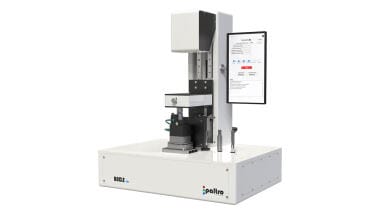
Despite its unhinged oil economy, Iraq’s producers must still meet global quality control standards. For more information on regulation within the industry, ‘Interference-free Sulphur Analysis in Fuels’ explores why the intensive control of SO2 entering the environment is of vital interest, and how technology such as the multi EA® 5000 is ideally suited as a versatile sulphur analyser for both intermediate and end products.
PIN 27.4 Aug/Sept 2026



 Product directory


.jpg)