Fuel for thought
Published over 12 years ago. See the latest and most current information on Fuel for thought.
The Alberta Energy Regulator has granted approval to oilsands company Canadian Natural Resources Limited (CNRL) to resume pumping operations at its Cold Lake lease. The company is now able to start operations once more that will see high-pressure steam pumped into wells at a site that is in close proximity to four other areas that bitumen leaks have been detected.
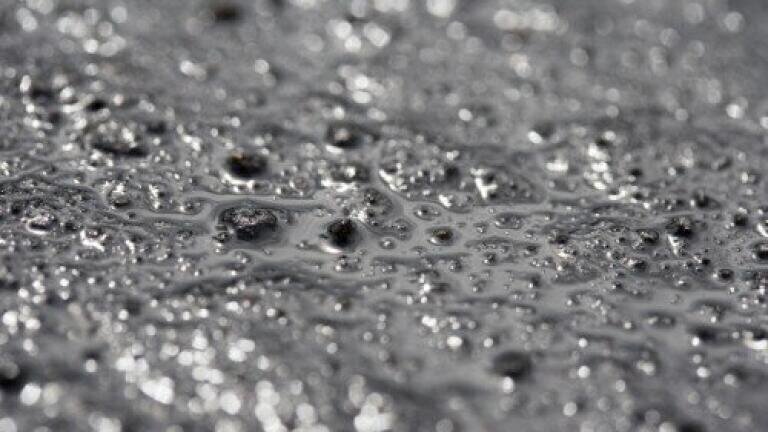
Four Cold Lake sites have been found to be leaking bitumen uncontrollably over the last year, resulting in the oil seeping to the surface of Cold Lake. Around 12,000 barrels of bitumen have leaked from these areas in the last year, however, the Alberta Energy Regulator has been unable to determine what is causing the leaks.
The leaks meant that CNRL stopped operations at its Primrose wells, however, it has now been granted permission to resume operations in order to keep the wells producing. CNRL will resume steam injection at the site but use lower steam pressures.
The decision to allow the company to resume steam injection operations has been met with some concerns, especially as it is not yet known what is causing the bitumen leaks at the other four sites or how they can be stopped. Fears have been raised that resuming operations, even at a reduced pressure, could cause the leaks to worsen. The same geological formation that is currently leaking has also been involved in previous bitumen releases.
This will be the first instance of steam injection used in the area since the bitumen leaks were discovered last spring. The process involves steam being injected into the ground for a number of weeks, which results in a build-up of pressure that melts the bitumen. The steam is then brought back up the same well to complete the cycle.
One theory suggests that the caprock is being cracked by the high-pressure steam, which is allowing bitumen to seep up to the surface. However, according to CNRL, the leaks are starting at faulty bore wells.
PIN 27.4 Aug/Sept 2026



 Product directory


.jpg)