Fuel for thought
Published over 10 years ago. See the latest and most current information on Fuel for thought.
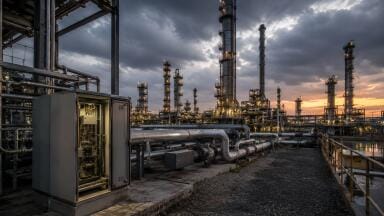
With its sun kissed beaches, laid back locals and eternally mild weather, California comes across as idyllic. That is until the Sunshine State is swamped in natural gas caused by a storage leak. Both residents and climate activists were suitably alarmed when a glitch at Aliso Canyon natural gas storage site released the equivalent of 800,000 metric tons of carbon dioxide into the air. According to the California Air Resources Board, this is the equivalent of driving 160,000 cars for an entire year! As well as the initial outflow, the site has confirmed that the problem won’t be fixed for at least three months.
Environmentalists are referring to the situation as the climatic equivalent of the BP disaster that swamped the Gulf of Mexico in oil. Now, the rupture of the Californian based natural gas storage site is releasing huge amounts of methane into the atmosphere. Analysts have confirmed that the leak is now contributing to a huge 25% of the state’s methane emissions. As a climate alerting gas that’s 80 times more powerful than its carbon dioxide counterpart, mass amounts of methane in the air is a serious cause for concern.
Already it’s forced hundreds of families to relocate, a move that was triggered by residents suffering from nausea, headaches, nosebleeds and of course, the ‘rotten egg’ smell of gas.
“This is a terrible man-made disaster. It is causing massive problems with so much methane being released, and it is going to continue at least until March,” complains Richard Mathews, a California state senate candidate. “This is going to contribute to a lot of warming. It really is having a terrible effect.”
Global warming campaign groups are also extremely concerned, especially with the news that it will take at least three months to fix the leak. Despite the best efforts of Aliso Canyon engineers, the methane just keeps flowing.
“The relief well process will probably take three or four months to complete. It takes that long because it essentially involves steering a tool to find a seven-inch pipe, more than a thousand feet away, thousands of feet below ground. Magnetics are used to locate the leaking well,” explains Aliso Canyon spokeswoman Melissa Bailey.
Natural gas plants can be extremely dangerous, which means continuous research into health and safety advancements is ongoing. ‘Photodiode-Driven Infrared Sensors: Shining New Light on LEL Gas Measurement for Oil and Gas and Confined Space Entry Applications’ looks a cutting edge new sensor technologies used to detect explosive gases.
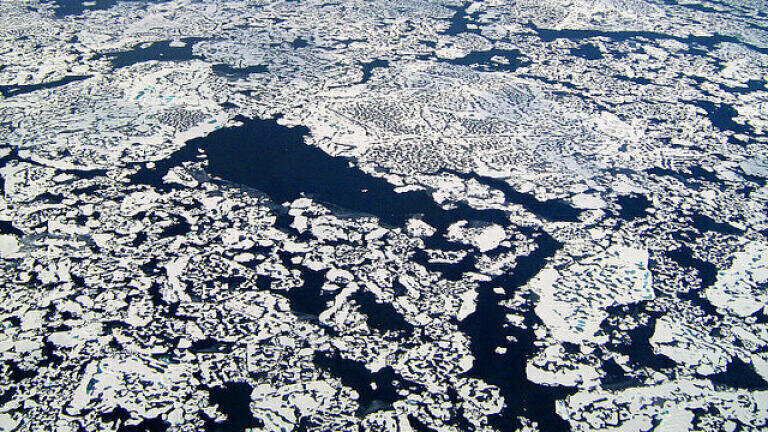
Image via Flickr Creative Commons. Credits: NASA's Earth Observatory?
PIN 27.4 Aug/Sept 2026



 Product directory


.jpg)