Fuel for thought
Published over 14 years ago. See the latest and most current information on Fuel for thought.
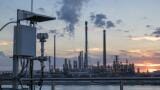
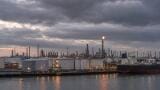
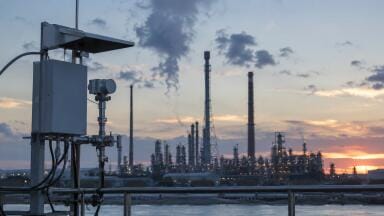
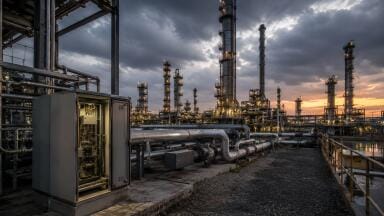
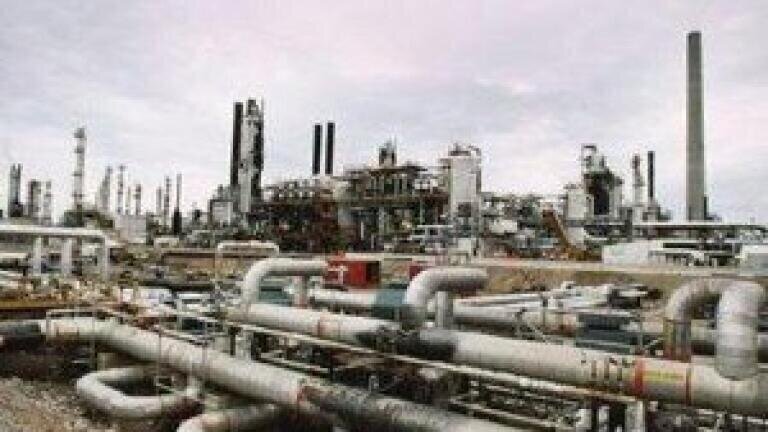
BP have pledged $400 million to reduce emissions at its oil refinery in the Chicago area, US.
The refinery has been described as having 'chronic pollution problems', which prompted the government into talks with the oil giant. Whiting refinery is located in northwest Indiana near Chicago, and is the nation's sixth-largest plant. New investment is hoped to significantly reduce emissions of lung-damaging soot and other noxious air pollution.
As well as being welcome news for local residents and workers in the area, the deal has also been said to set a precedent for other oil companies as the industry overhauls refineries nationwide. Federal authorities got involved at the site when regulators found BP to be violating a 2001 legal agreement over previous pollution problems at the plant and found that the company was repeatedly exceeding emissions limits on flares.
These charges, filed in U.S. District Court in Hammond, demanded that the company dramatically reduces this flaring by capturing most of the pressurized gases, using the flares in a efficient manner and only when they are needed. They also introduced a new cap on emissions, which federal regulators described as the most stringent to date for a U.S. refinery, which will cut the Whiting plant's flaring by nearly 90 percent.
Additionally, emissions of hazardous chemicals such as benzene, toluene and hydrogen sulfide will drop by about 4,000 tons annually. Steve Cornell, president of BP Products North America said: "We are pleased to have reached an agreement that protects jobs, consumers and the environment."
But this is only the start of what is likely to be a long road in cutting flare pollution from oil refineries in America. Investigations have found that other US refineries are emitting huge levels of pollutants into the environment through flaring, even though alternative options are available.
Other improvements at the Whiting refinery include tougher limits on smog-forming sulfur dioxide and nitrogen oxide emissions from the refinery.
Posted by Lauren Steadman
PIN 27.4 Aug/Sept 2026



 Product directory


.jpg)