Fuel for thought
Published over 14 years ago. See the latest and most current information on Fuel for thought.
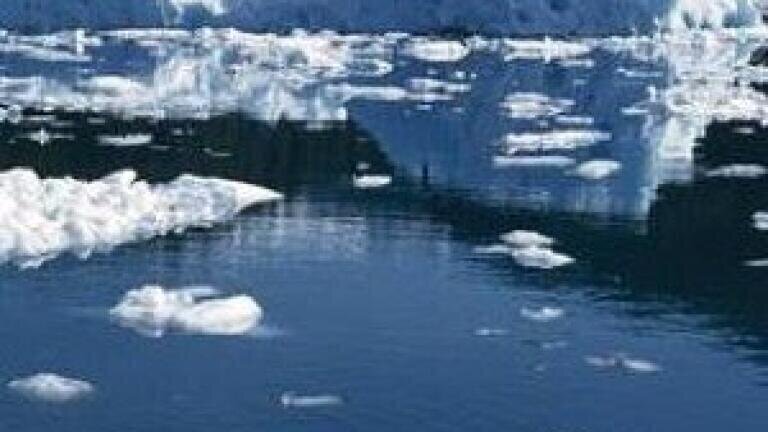
Russia's attempt at asserting jurisdiction in the Arctic, which is believed to hold up to a quarter of the Earth's undiscovered oil, has been questioned for safety reasons, after the sinking of The Kolskaya floating oil rig killed over 50 crew.
Industry experts previously warned of the severe safety issues at stake in the environmentally sensitive region, arguing that the field was too far from rescue and unfit for harsh conditions.
However, as Russia's core oil fields in Eastern Siberia become increasingly depleted, the oil giant is looking north.
The government hopes up to 80 million tons of oil will be produced annually in the Arctic by 2030, reaffirming Russia's position as the world's largest oil producer.
Oil company Gazprom is now pioneering the oil development of Russia's sector of the Arctic and was the first Russian company to dispatch a drilling rig to the Pechora Sea in northwest Russia. Gazprom insists the Prirazlomnaya platform, billed as the first to be ice resistant, is safe and contains no old equipment except for its frame.
Commenting at a news conference in September, Vladimir Vovk, chief of Gazprom's department for the management of equipment and technologies in developing marine fields said: "We've done our best to implement the latest technology and regulations to prevent any accidents."
PIN 27.5 Oct/Nov 26


 Product directory