Fuel analysis
Published over 8 years ago. See the latest and most current information on Fuel analysis.
LPG has been around for quite a while now. But, chances are, you’ve not actually heard of it. That’s where we come in. LPG (Liquified Petroleum Gas) is a great alternative to traditional petrol and diesel fuel. This 6-part series will give you all the vital information you need to make a decision about how to fuel your vehicle…
First off, how is LPG produced? Where does it come from? And what makes it different to other types of fuel? Keep reading to find out…
LPG has 2 main origins. Around 60% of the gas comes from the extraction of natural gas and oil from the earth. The other 40% is produced through the refining of crude oil. Traditionally, LPG was wasted and burnt off as an unwanted by-product of the production of other fuel sources. But, now it’s recognised as a versatile low-carbon fuel that can provide an exceptional amount of energy.
Commercial natural gas is made up primarily of methane, but also includes a mixture of several gases and liquids, including propane and butane. So, before natural gas is marketed, some of the natural gas liquids, including LPG, are separated out.
LPGs are produced at various stages of refinement, such as atmospheric distillation, reforming and cracking. LPG accounts for only 1-4% of crude oil processed, dependent on the type of crude oil, the oil refinery and the market values of LPG.
After the oil and gas production rigs process the gas, the LPG is transported from the production site to large storage terminals, where it is kept at the ideal temperature.
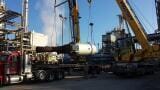
The LPG is then delivered by road, coastal tanker or pipeline to filling plants, and smaller storage areas for distribution. At these smaller storage facilities, the LPG is transferred to pressurised tanks.
Once in the cylindric tanks, LPG can be transported anywhere it is needed. Typically, it will be bought by retailers and fuel suppliers and sold to individual customers. The LPG can then easily be used to fuel cars, trucks and even lorry fleets, offering a more sustainable and cheaper fuel alternative.
Before you take the plunge and opt for LPG fuelled vehicles, it’s important to have all the facts. Want to know more? In our next post, we look at how vehicles are converted to LPG. Alternatively, you can read our article on liquid petroleum, ‘Ultra Low Sulphur Analysis in Liquid Petroleum Using MWDXRF’
PIN 27.5 Oct/Nov 26


 Product directory


.jpg)

















.jpg)