Flow level pressure
Published over 12 years ago. See the latest and most current information on Flow level pressure.
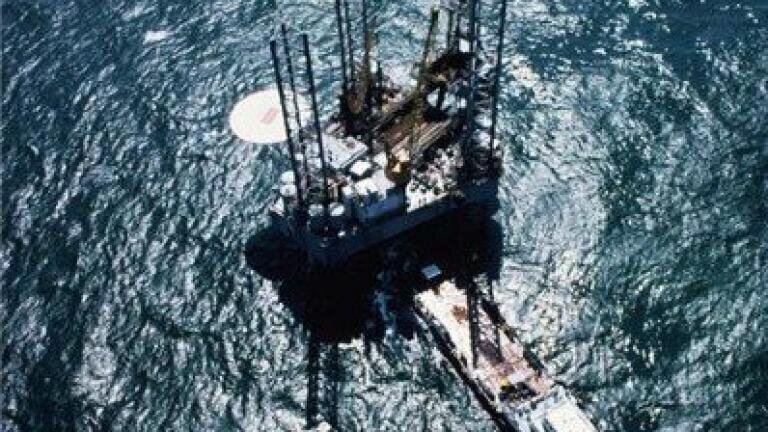
A serious accident was avoided at an oil rig operated by Petrobras on January 21st, following a leak of hydrogen sulphide and natural shale gas. The union representing the state run oil company's offshore workers said that the leaks occurred on the P-7 platform that is operating in the Bicudo Field in the Campos Basin when well tests were taking place.
Workers were performing tests on a well that is linked to the platform when the flammable shale gas and poisonous hydrogen suphide began leaking. During the operations, a test separator - which is six bolts that are used to secure the calibration equipment - ended up being forced violently from the well, according to a union statement. Luckily, the equipment did not injure anyone.
This caused a gas leak that lasted around 30 minutes before it was brought under control, according to Sindipetro Norte-Fluminense. Luckily only gas leaked, meaning that no oil spilled into the sea and no fires or explosions were caused by the gas.
Marcos Breda, union director, told Reuters: "Only luck prevented anyone from being hit and harmed. "No one was hurt but both natural gas and hydrogen sulfate are poisonous and could have exploded if there was a heat source. This could have been far more serious."
Petrobras has suffered a number of accidents on its older oil platforms, which resulted in the government forcing the company to ensure that emergency maintenance was being carried out on older oil rigs. According to Mr Breda, the P-7 platform didn't have any hydrogen sulphide sensors within the area of the platform where well pipes are connected.
Hydrogen sulphide is commonly found in natural gas and oil wells and is incredibly toxic, meaning that a leak might not be detected until it is too late without the use of appropriate sensors in key areas.
The P-7 platform is one of the oldest that is operated by Petrobras and has been operating for over 30 years. It has experienced accidents before, including the spilling of 164 barrels of oil into the sea in 2001.
PIN 27.5 Oct/Nov 26

 Product directory


.jpg)







.jpg)