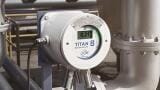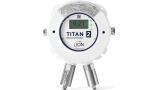
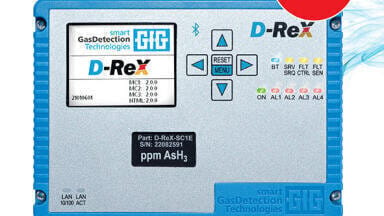
Fixed gas monitor
Published over 13 years ago. See the latest and most current information on Fixed gas monitor.
Across the world, plans for shale gas drilling are being assessed and implemented as nations look to secure their fuel supplies. There is controversy, however, about the environmental impact regarding the process for extracting shale gas, hydrofracking.
Concerns exist surrounding the potential for shale gas to escape through manmade or natural fractures and from the well itself. These will have impacts on greenhouses gas levels, potentially contaminate aquifers and may create an explosion and asphyxiation hazard.
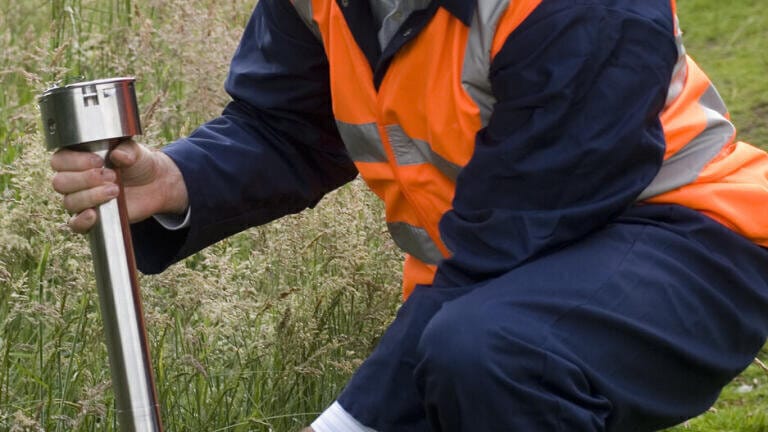
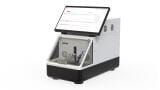
The only way to demonstrate hydrofracking is not causing any adverse effects is to monitor the process. Gas naturally seeps from the subsurface to groundwater and atmosphere therefore, operators should monitor before, during and after shale gas operations to demonstrate their impact is minimal. The GasClam, available from Ion Science (UK), allows continuous unmanned data collection of CH4, CO2, VOC’s concentration be accessed remotely via a telemetry offering a perfect solution.
PIN 27.4 Aug/Sept 2026



 Product directory









-EN-2.jpg)