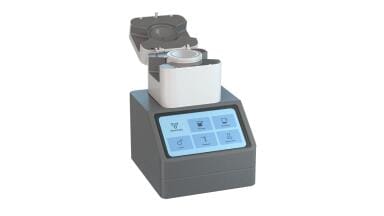
Optimal biofuel composition - achieved by enhancing pentose utilisation in yeast - could be obtained only if new approaches and tools are created, say researchers.
Writing in Biotechnology for Biofuels, scientists at the University of Texas at Austin and the Korea Institute of Science and Technology call for "non-traditional aspects" of the sugar metabolism process in yeast to be investigated.
They suggest that stress response mechanisms, catabolite sensing and host molecular transport capability could all play roles in optimising biofuel composition.
Doing so represents a step towards more economical use of lignocellulosic biomass, in which cofermentation of pentose and hexose has proved to be an obstacle in the past.
"Panmetabolic engineering is a whole-pathway approach emphasising better pathways, reduced glucose-induced repression and increased product tolerance," they assert.
Biotechnology for Biofuels addresses the pre-treatment and deconstruction of plant matter alongside process design concepts in its consideration of the biofuels market as a whole.


 Product directory


.jpg)















.jpg)