An optimal production process for turning lignocellulosic feedstocks into sugar and then ethanol is targeted by scientists undertaking biofuel testing at present.
Based at Technische Universitaet Muenchen, a team of researchers are addressing the "rivalry" between using farmland for food or fuel crops.
A key element in their biofuel testing is a focus on the bacteria involved in turning cellulosic matter into sugar and, therefore, raising the energy yield from the plants that are used.
"They are working to effectively utilise residual field crop material, which has been difficult to use thus far," the university explains.
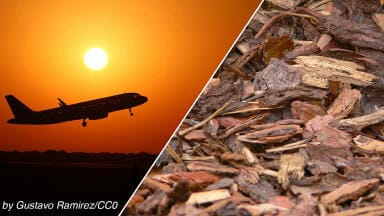
Lignocellulosic crops are a crucial component in the development of highly efficient next-generation biofuels.
They rely on scientists finding new ways to break down the structure of crops more easily, without requiring high input energy or toxic chemicals that can diminish the environmental benefits of using renewable energy sources or the net energy gain.



 Product directory


.jpg)


















.jpg)