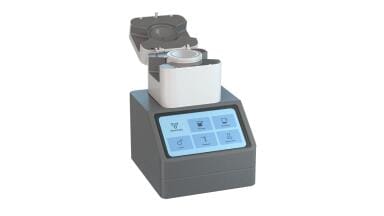
Analytical instrumentation
Published over 12 years ago. See the latest and most current information on Analytical instrumentation.
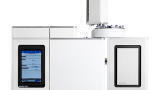
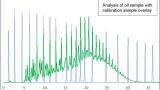
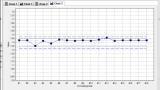
Biofuels have become increasingly important as alternatives to conventional fuels. Bioethanol, mainly produced by sugar fermentation, is an example of a biofuel. Ethanol has a high octane number and was originally intended to replace lead as an octane enhancer. Nowadays, ethanol is blended with gasoline to improve combustion efficiency thereby reducing polluting emissions. The most common blend is 10% ethanol and 90% petrol (E10), though the latest vehicles can operate on up to 85% ethanol and 15% petrol blends (E85). ASTM D 5501 is the method commonly used to determine the ethanol content of denatured fuel ethanol by gas chromatography. Ethanol is determined from 93 to 97 mass%. Accurate determination of ethanol and methanol according ASTM D 5501 is achieved using a Scion 456-GC Gas Chromatograph with CompassCDS software. Data shows that accurate repeatability means that data never exceeds the levels specified in the standard.
PIN 27.4 Aug/Sept 2026


 Product directory


.jpg)










.jpg)
.jpg)