Analytical instrumentation
Published over 14 years ago. See the latest and most current information on Analytical instrumentation.
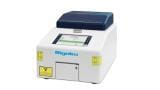
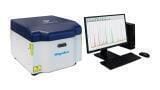
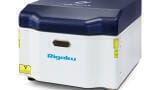
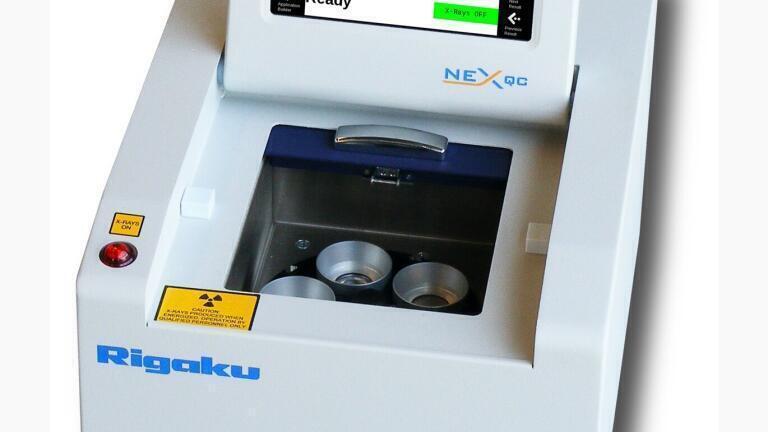
Applied Rigaku Technologies (Japan) recently announced a new empirical method for the measurement of chlorine (Cl) and sulphite (SO3) in cement. Application Note #1250 demonstrates the capability of the Rigaku NEX QC energy dispersive X-ray fluorescence spectrometer (EDXRF) in quality control during the production of cement.
Monitoring proper levels of chlorine is imperative in producing cement. Soluble chlorine, most often calcium chloride (CaCl2), can be added to concrete and cement as an accelerating agent for strength development or shorter setting times. The sulphur content helps determine drying rates and strength, as well as the ability of the cement to dry under water.
The presence of chlorine in reinforced concrete, however, can cause corrosion of steel reinforcing material, possibly causing premature structural damage. The monitoring and control of both the chlorine and sulphur levels is therefore critical. EDXRF spectrometry is routinely employed for this purpose and the Rigaku NEX QC analyser is a small, user-friendly bench-top EDXRF system ideal for use along the production and QC processes in a cement plant.
For the new method, each sample is prepared by grinding the sample to a fine, dry, homogeneous powder of <200 mesh (<75um particle size) followed by hydraulically pressing 5 grams of sample into a pellet using 20 tonnes pressure for 30 seconds. Nine assayed cement samples were used to develop empirical calibrations for Cl and SO3.
The results show that the NEX QC analyser provides excellent performance for the measurement of Cl and SO3, offering a simple and fast means of analysis during the QA/QC process in the production of cement.
PIN 27.4 Aug/Sept 2026



 Product directory


.jpg)










.jpg)

.jpg)