Analytical instrumentation
Published over 13 years ago. See the latest and most current information on Analytical instrumentation.
Exeter Analytical Inc. (UK) has developed a reliable sample preparation technique that enables accurate determination of the percentage Carbon (C), Hydrogen (H) and Nitrogen (N) in difficult to analyse volatile samples. The same sample preparation technique has been found to also generate excellent results from air sensitive and hygroscopic samples.
Knowledge of the CHN content of volatile petroleum products and lubricants can be useful in determining their performance characteristics. However, the CHN microanalysis of such volatile samples, especially those with high hydrogen content, requires careful sample handling, wide detector linearity and easy sample residue removal.
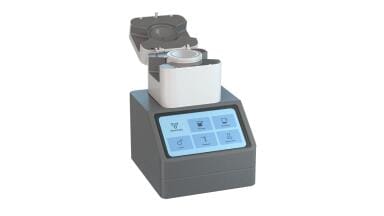
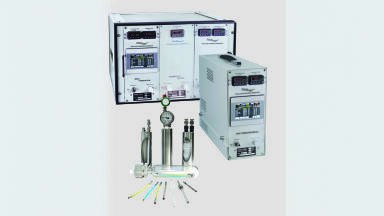
The sample preparation technique, described in technical report 233, involves hermetically sealing samples into heavy walled tin capsules under an inert atmosphere inside a glove box. The tin capsule is cold welded shut using an Exeter Analytical capsule sealer. This careful sample preparation technique together with controlled introduction of the sealed capsules into an Exeter Analytical Model 440 CHN analyser is demonstrated to eliminate the problems associated with analysing air sensitive, hygroscopic and volatile samples.
PIN 27.4 Aug/Sept 2026

 Product directory


.jpg)










.jpg)

.jpg)



.jpg)