Analytical instrumentation
Published over 11 years ago. See the latest and most current information on Analytical instrumentation.
The standard test methods for water content of crude oil samples by coulometric Karl Fischer titration, stipulate that the Karl Fischer anode reagent must be mixed in a 70:30 or 60:40 ratio with xylene to improve sample miscibility and reduce waxy deposits and asphaltines from dropping out thereby causing problems with the generator electrode. However this modification to the reagent, and subsequent addition of the oil samples being analysed, affects the resistance/capacitance of the titration vessel. When this resistance in the electrolysis cell is increased beyond certain limits the coulometer is unable to operate efficiently and provides an incorrect result, usually falsely high. Every coulometer has a maximum titration current and count rate, if the resistance in the cell is high, it cannot generate required current but it continues to count as if the required current was being generated. This produces an incorrect result.
For this reason, although in principle standardisation of a coulometer is not necessary since the water 'titrated' is a direct function of the coulombs of electricity consumed, the above mentioned Karl Fischer methods stipulate that the performance of the coulometer should be regularly monitored by injecting 10 microlitre of pure water. The suggested interval is after every 10 determinations and the result obtained should be 10,000 +/- 200 microgram. The reagent should be changed if the result is outside these limits, but more importantly we now have to ask ourselves – at what point did the Karl Fischer titrator start to give incorrect results? All we can be certain of is that when we last ran the water check it was still OK.
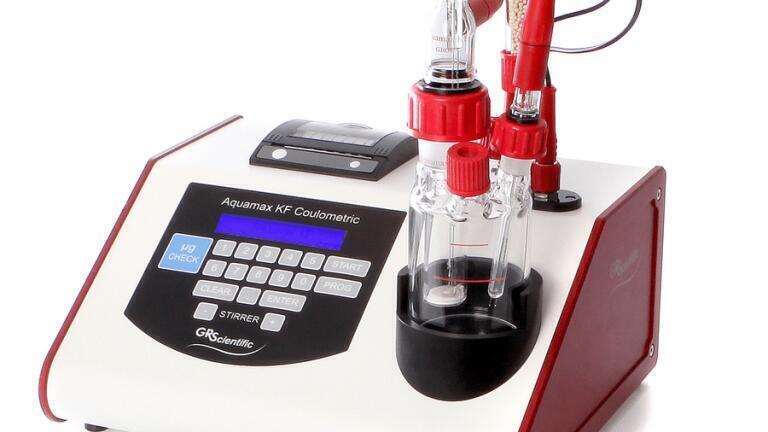
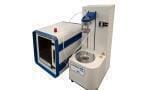
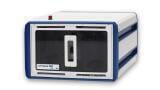
The ACE control system (Automatically Compensated Errors) patented by GR Scientific overcomes this problem by ensuring that the electrolysis current produced by the coulometer and the count rate being displayed are always correctly synchronised regardless of changes to the electrolysis cell resistance.
This provides several advantages including reduction in reagent consumption, improved cost efficiency due to higher sample throughput, better conditions for personnel as their exposure to hazardous chemicals is reduced, but most importantly - the ACE control system guarantees correct result.
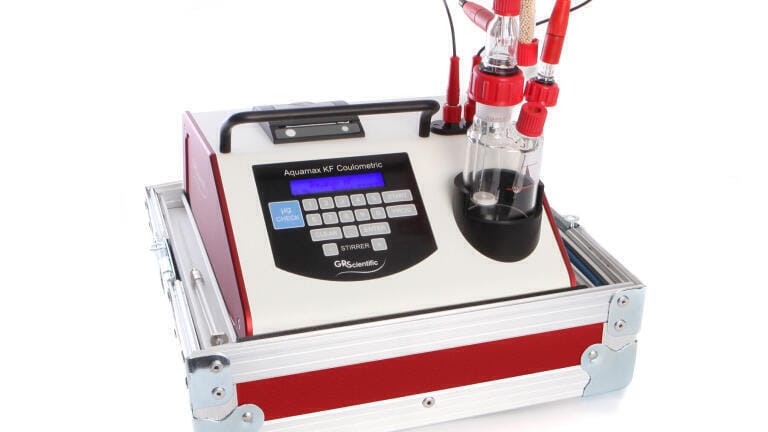
The patented ACE Control System is a standard feature which is only available on the Aquamax KF range of Karl Fischer titrators.
PIN 27.4 Aug/Sept 2026

 Product directory


.jpg)










.jpg)

.jpg)


.jpg)