Analytical instrumentation
Published over 6 years ago. See the latest and most current information on Analytical instrumentation.
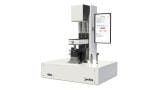
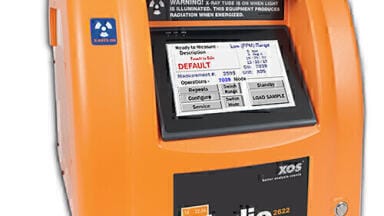
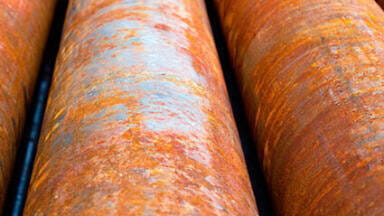
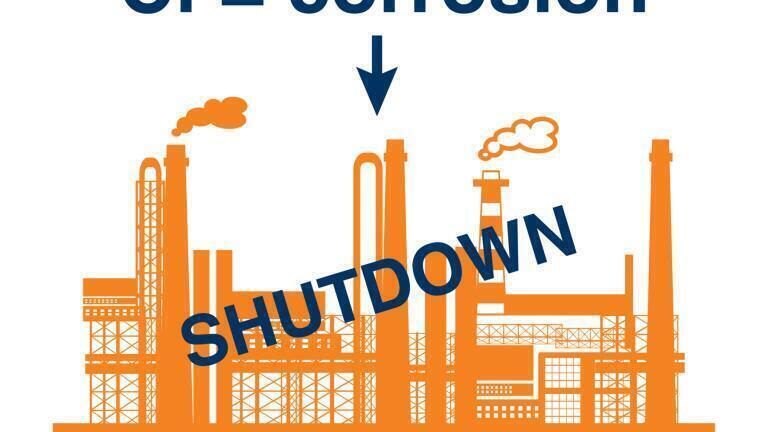
Chlorine-contaminated crude oil poses dangers such as the creation of hydrochloric acid, which causes corrosion in refining equipment and pipelines. To avoid these pitfalls, refineries and terminals throughout the world have adopted ASTM D4929C and have implemented a test frequency of every four hours. ASTM D4929C uses XRF (X-ray Fluorescence) to measure the levels of chlorine content in crude, and is a fast, easy, and precise process compared to alternate methods like ICP.
Read our whitepaper to learn about a viable solution that allows refineries to obtain organic chloride concentrations in crude oil with increased precision and efficiency.
PIN 27.3 June/July 2026

 Product directory