Analytical instrumentation
Published over 5 years ago. See the latest and most current information on Analytical instrumentation.
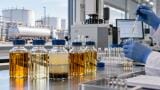
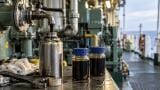
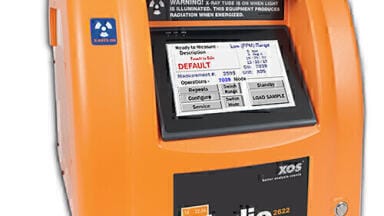
Typical biodiesels are known to have an oxygen concentration which is higher than that of traditional diesels. This high oxygen content (most commonly between 9 – 11 wt%) can cause XRF analyzers to report lower sulfur and chlorine concentrations due to absorption of the XRF signal by the oxygen. To account for high oxygen content of biodiesel and potential low bias results when measured on a non-oxygenated calibration, the simple use of a correction factor or matrix matching is recommended.
Download our whitepaper to learn more about the approaches to elemental analysis for biodiesel applications.
PIN 27.4 Aug/Sept 2026



 Product directory


.jpg)