Safety
Published over 13 years ago. See the latest and most current information on Safety.
Governments from around the world have agreed on a global treaty to reduce mercury emissions.
Indeed, over 140 UN members' states came together last week to think of new and innovative ways to reduce mercury emissions, as well as to set new reduction targets.
The treaty, known as the Minamata Convention, will increase controls on products containing mercury, meaning that there will be limits to how much can be produced.
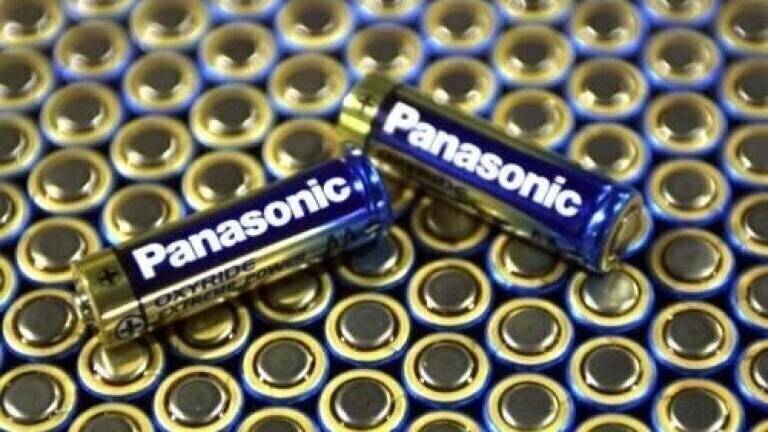
Examples of materials that include high levels of mercury include batteries, lamps and cosmetics.
Other ways that the Minamata Convention seeks to address the issue is by targeting emissions from industrial plants, including cement plants, waste incineration and coal-fired power plants, World Cement reports.
All the countries involved in the treaty have vowed to do whatever it takes to implement the changes, include introducing new technologies at cement facilities which can monitor the level of pollution.
Noelle Selin of the Massachusetts Institute of Technology said: "While many hoped that the requirements under the treaty might have been stronger, considering the difficulty of negotiating a global agreement that covers both developed and developing countries, it’s not unexpected that requirements reference “feasibility”, and include measures that aren’t as stringent as those in the US and Europe."
She also claimed that the specifics will most likely be worked out as the changes begin to be implemented.
Although it was only officially agreed last week, negotiations on the treaty began back in 2009 at The United Nations Environment Programme (Unep) Governing Council session back in 2009.
The final talks took place in Geneva, but the official treaty will be signed in October at a meeting in Japan.
"We have reached a robust, balanced and dynamic environmental agreement," commented Environment Commissioner Janez Potocnik, who sees the new agreement as a strong tool capable of leading to a complete elimination of mercury.
"The EU has fought for a global mercury treaty for almost seven years and we are proud to see that many EU concepts and ideas made their way into the text," he said.
PIN 27.4 Aug/Sept 2026



 Product directory


.jpg)












.jpg)