The presence of toxic hydrocarbons in air is a prob lematic issue: they are there, but what should we monitor and how? Many authorities and local industries would prefer to limit themselves to “simple†inorganic compounds that already cause enough worries.
However, hydrocarbons are there – some harmless, others toxic, carcinogenic or promoting formation of ozone. For that reason monitoring, and even selective monitoring, is needed.
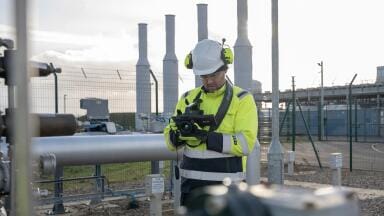
To be able to act on the results, monitoring is best done online and in real time. In combination with the meteo rological data it is possible to find sources of emissions. Hydrocarbons are mo l ecules consisting of at least carbon and hydrogen and can contain many other atoms, most common of which are sulphur, nitrogen, chlorine or oxygen.
There are different sources of emissions, and different sources emit different groups of hydrocarbons.
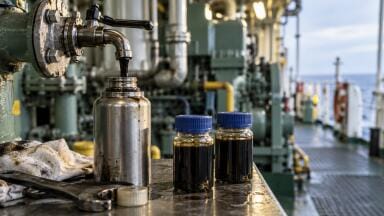
In the oil industry most of the emissions would be pure hydrocarbons, but also sulphur compounds and partially burn ed oxygen containing hydro carbons.
All chemical industrial processes can emit hydro carbons, some also con taining nitrogen, chlorine and oxygen. The last, but often the most important source is the nature, which generates and emits a huge variety of hydrocarbons.
The effects of all the different hydrocarbons must be grouped according to their effects on humans. They can have an acute toxic effect on lungs or brains that could lead to a quick death. Or the effect can be toxic in the long term, leading for instance to liver or kidney damage.
Carcinogenic effects come from damage of DNA’s bodies.
With reactive, toxic hydrocarbons leak mon itoring is important. If long term effects are more important, it is also nec essary to measure low continuous levels. Carcin ogenic effects have often no threshold, so here as well continuous low level monitoring is needed.
The most difficult to tackle is the role of hydrocarbons in the formation of ozone: all hydrocarbons con tribute more to a greater or lesser degree to this, and during the process hydrocarbons are slowly transformed.
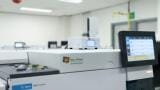
For more than 12 years Synspec Bv (The Netherlands) has been developing analyses for hydrocarbon measure ments for online field monitoring that are adopted to the specific problems.



 Product directory












.jpg)


.jpg)