Hydrogen fuel
Published over 5 years ago. See the latest and most current information on Hydrogen fuel.
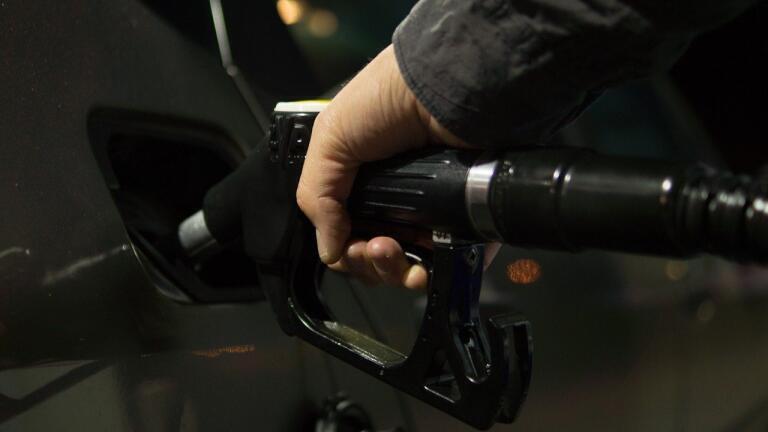
In order to detect contaminants which may compromise the quality of your petroleum and cause long-term damage to your engine and petrol supply systems, it’s important to carry out regular testing of your fuel. While this might seem like a bothersome expense before an issue arises, helping to nip it in the bud and prevent costly or even irreparable damage further down the line makes petrol testing an invaluable practice for any industrial company or private citizen.
There are a number of different contaminants which petrol testing can detect, while the form that this test takes will also differ depending on whether the fuel is being used for personal or industrial purposes. This introductory guide should tell you everything you need to know about petrol testing and why it’s an essential endeavour for everyone to undertake.
In 2011, the EN590 fuel regulations were altered, which has allowed for a higher concentration of fatty acid methyl esters (FAME) biodiesel in fuels, as well as a lower content or sulphur. This has opened the door for poorer quality petrol to find its way onto the market, potentially jeopardising the long-term functioning of the components in an engine.
For that reason, it’s important to ensure accurate results for sulphur and chlorine analysis in biodiesels and petrol. This can be achieved via a DIY petrol testing kit for vehicle owners wishing to corroborate the quality of the fuel in their car, or via contracting the services of a specialist company for business owners who store and process large amounts of fuel.
For concerned car owners, the process of testing your fuel couldn’t be simpler. You can either take your vehicle to your local garage and have them conduct the test on your car’s petrol, or else buy a home-testing kit which will contain everything you need to carry out the analysis. For plant and factory owners who handle a large amount of petrol on their premises, it’s best to commission a third-party company who specialise in fuel testing services.
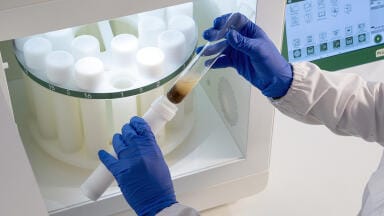
In either case, the test will follow a similar format. Samples of the fuel will be taken from the bottom, middle and top of the storage tank. The bottom sample will indicate the amount of water and particulates present in the fuel, while the middle sample reveals the settlement of the contaminants in the fuel. The top sample represents a best-case scenario that can be expected if the fuel is polished. In particular, the analysis will look to detect the presence and concentrations of contaminants such as water, FAME, sulphur and microbial matter, as well as test the density, viscosity and ISO cleanliness of the fuel in question.
PIN 27.4 Aug/Sept 2026


 Product directory


.jpg)