Fuel for thought
Published over 11 years ago. See the latest and most current information on Fuel for thought.
500 million years ago prehistoric oceans were teeming with microscopic life. Since then, time, mud and sediment has smothered decaying organic matter, sealing it off from oxygen, pressure and heat. Today, the remnants of these organisms exists as liquid oil, natural gas and shale buried deep under the sea. For oil and gas companies, the reserves represent some seriously lucrative opportunities. Here’s a list of the top five regions on their radars:
Every day the USA consumers over 20 million barrels of oil. It’s therefore a little ironic that some of the most coveted petroleum reserves on the planet are situated on protected U.S. coastlines. All up, the U.S. Department of the Interior has revealed that the country’s outer continental shelf could host a huge 18 billion barrels of undiscovered recoverable oil and 76 trillion cubic feet of natural gas.
In 2007 Brazil’s national oil company discovered 5 to 8 billion barrels worth of oil and gas in the Tupi field. When combined with the country’s existing 13.8 billion barrels this makes Brazil one of the top 10 oil producers on the planet.
With new technologies allowing ships to circumnavigate the Arctic, undiscovered oil reserves have gradually been revealed. In fact, the latest United States Geological Survey estimated that the region could hold up to one fifth of the world’s total undiscovered petroleum reserves. It’s an extremely controversial topic, with Shell receiving a huge amount of negative press in the wake of its Arctic drilling expeditions.
Mother Nature hasn’t made it easy for humans to get their hands on oil and gas, with a large chunk of the world’s reserves located in ultra-deep water fields such as the Lower Tertiary in the Gulf of Mexico. Here, geologists have set their sights on lucrative drill sites at colossal depths of 15,000 to 30,000 feet! In total, this particular region is thought to contain as much as 15 billion barrels.
With the world’s sweet crude reserves in decline, increasing efforts are being channelled into how to leverage what’s left. ‘Maximise Heavy Oil Blending Profits - Robert Bartek and Scott Fess’ looks at the challenges of bringing heavy oil blends to the market, with a focus on the high viscosity and carbon rich counts. It predicts that as the demand for inexpensive feed stocks continues to grow, the refining of heavy oil into synthetic crude will become an increasingly popular method.
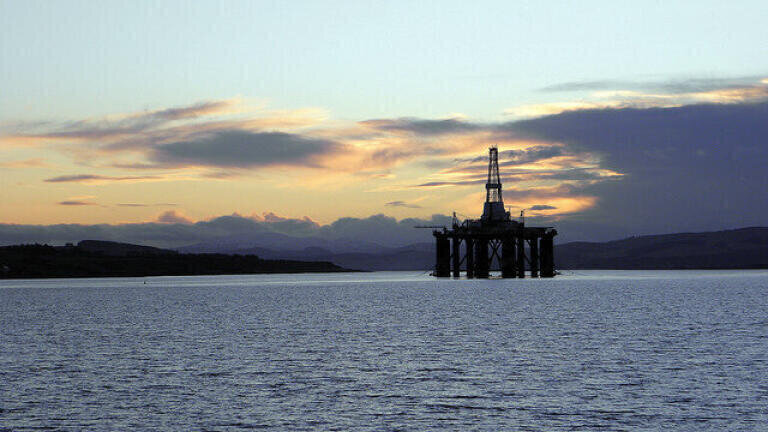
Image via Flickr Creative Commons. Credits: Irenicrhonda
PIN 27.5 Oct/Nov 26



 Product directory