Fuel for thought
Published over 11 years ago. See the latest and most current information on Fuel for thought.
California has long been celebrated for its stunning beaches however its sandy stretches were transformed into an ecological nightmare last month when a catastrophic oil spill swept the Gaviota coast. The region is one of just five Mediterranean-climate zones on the planet and is home to a multitude of local wildlife. As well as closing off beaches to the public and quite literally putting an oily dampener on Memorial Day, the spill is also having a devastating impact on the animal population.
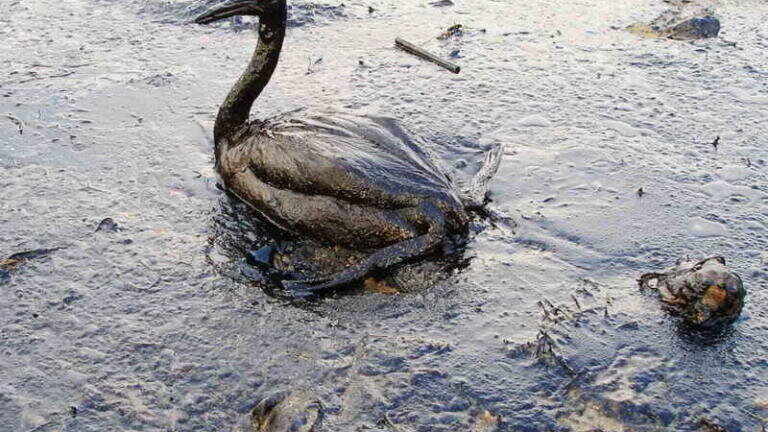
Last month a Plains All America pipe malfunctioned which saw around 105,000 gallons of crude oil leak onto surrounding land and nearby ocean. The clean-up effort has now surpassed the US$60 million mark, with thousands of volunteers and paid employees working towards undoing the damage. The spill didn’t just shut down two of the state’s most popular beaches but it also proved lethal to hundreds of local animals. Almost a month later dead animals are still being found on a daily basis.
The Santa Barbara Channel has earned itself the nickname of the ‘Galápagos of the north’ due to its endearing population of marine life. This includes blue and humpback whales, as well as porpoises, dolphins and migratory seabirds. Environmental experts are concerned that the oil spill will discourage marine life from migrating to the region this summer, which could permanently mess up behavioural patterns.
For birds oil spills can be fatal. When their delicate feathers are coated in viscous liquid they can no longer serve their purpose as insulators. This means they can no longer stay warm in the chilly air and waters.
Elephant seals and California sea lions are two species that have been most affected by the spill. Rescued seals are currently being transported to SeaWorld San Diego’s Oiled Wildlife Care Centre where they’ll receive care and rehabilitation. Jody Westberg, a team member at the centre explains, "This sea lion should be a beautiful reddish colour," she said, "and what we’re actually seeing is little glimmering spots of that beautiful reddish tone of its fur, but the rest is coated in what looks like black tar.”
The immediate impact of the oil spill has been devastating for the local wildlife population however environmental scientists assert that it will be years before they can assess the full extent of the damage.
For more information on this topic, read: How to Deal with Oils When Treating Contaminated Construction Dewatering Water.
PIN 27.4 Aug/Sept 2026




 Product directory


.jpg)