Fuel for thought
Published over 11 years ago. See the latest and most current information on Fuel for thought.
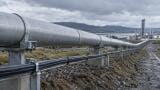
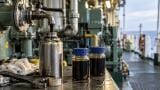
The news that that huge reserves of oil have been discovered under the Sussex Weald has triggered considerable excitement, amid some eye-watering figures being claimed by UK Oil and Gas investments. In 2014, the British Geological Survey estimated the Weald Basin to hold around 4.4 billion barrels of shale oil - now UKOG has upgraded their own estimate to a staggering 100 billion barrels of black gold.
To find out how oil is located, read this story: How to Find Oil and Gas.
This has to be great news for Britain, surely? It could be the perfect boost for our battered economy - and investors rushing to plunge their savings into UKOG shares may be getting in on the ground floor of something that will make Gatwick famous for something other than the world's busiest single-runway airport; UKOG's share price, unsurprisingly, has rocketed since the announcement.
Well, yes, it may be great news. Or maybe not. Probably not. Solo Oil chief executive Neil Ritson said, "We’re not actually putting out that number of a hundred billion barrels. I know that a leading academic, Professor Fraser at Imperial, is talking about 40 billion.'' The firm, which studied the reservoir, estimated that recovery of the oil could be limited to 3-15% of the total.
Many are pointing out that current low oil prices may mean that extraction of this find is not commercially viable – and uncertainty about how much oil there actually is makes the proposed project even more unlikely to fulfil the hype. Protesters will point that the oil should be left right where it is, for environmental reasons. For further details on this topic, read: Should We Leave Fossil Fuels in the Ground?
Stakeholders insist that conventional methods will suffice and there will be no need to use the 'F-word' to access and allow extraction of the oil. Local campaigners, however, will remain unconvinced that the controversial fracking method will be avoided if deemed necessary as some point. Another consideration is that this particular corner of England is one of its most densely populated and that local communities are certain to resist the prospect of dirty oil extraction in their back gardens, so to speak.
It is already clear that the upper figures being quoted for potentially extractable volumes will, in all probability, have to have a number of zeroes shaved off when assessing the actual possibilities. Coupled with other sobering economic, political and engineering realities, this fact will inevitably dampen down the initial frothy hype. The potential should of course be dismissed. The UK economy may well get a much-needed shot in the arm and investors may yet receive a significant return. They shouldn't put the deeds of their house on it just yet, though.
PIN 27.4 Aug/Sept 2026



 Product directory


.jpg)