Fuel for thought
Published over 13 years ago. See the latest and most current information on Fuel for thought.
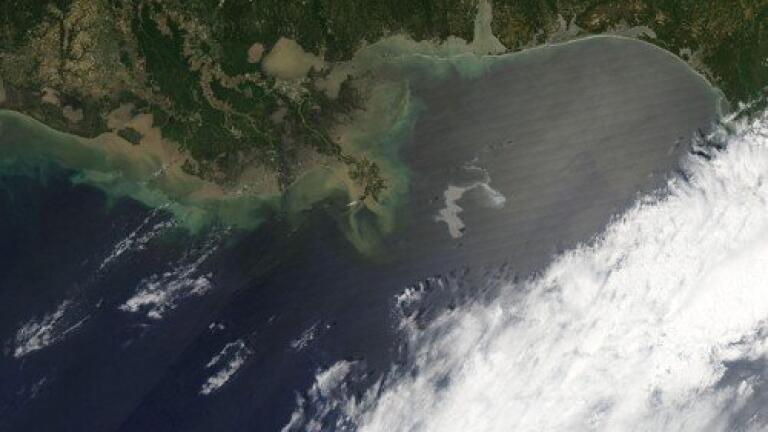
Three years after the massive oil leak at the Deepwater Horizon oil rig in the Gulf of Mexico, the impacts are still being assessed. The explosion that occurred in April 2010 killed 11 workers and started the industry's largest accidental spill. Nearly five million barrels of crude oil spewed into the Gulf of Mexico from the ruptured Macondo well, before it was sealed in September 2010 - affecting over 1,000 miles of coastline and impacting on tourism and fishing industries.
The impacts of the massive oil spill on beaches, wetlands, wildlife and fisheries are still being felt today - despite the tens of thousands of people involved in the initial clean-up. Fishermen and scientists have found that mutations - such as lack of eyes - are increasing throughout the crab and shrimp populations. Fish are continuously being caught that have large lesions and are suffering organ failure. The National Wildlife Federation has also reported that mortality rates in sea turtles and marine mammals is becoming higher than any historical averages show.
Although these issues have not been conclusively linked to the oil spill, it has been found that the chemical oil dispersant Corexit 9500A - that was used in an attempt to clean up the water after the oil spill - becomes severely toxic to marine life once it is mixed with crude oil. It is estimated that 1.8 million gallons of Corexit was used in the Gulf during and after the spill. The Corexit was also injected directly into the oil as it leaked from the well, something that had never been tried before.
Federal courts are continuing to make judgements against BP for the damage done during the oil spill and the subsequent - alleged - cover-up that occurred. In 2012 a $4.5 billion (£2.9 billion) settlement was secured by the Justice Department in the criminal case against BP, in which the company pleaded guilty to several environmental violations, 11 counts of manslaughter and of lying to Congress. This is the largest settlement in the history of criminal penalties. The separate civil trial - for violations against the Clean Water Act - is ongoing and could see fines reaching as high as $17 billion (£11 billion).
PIN 27.4 Aug/Sept 2026



 Product directory


.jpg)