Fuel for thought
Published over 10 years ago. See the latest and most current information on Fuel for thought.
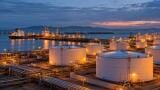
In the wake of a £4.5 billion annual loss, BP has canned 7000 jobs, with more redundancies possibly on the horizon. The figure represents the biggest loss in BP history, with low oil prices and increasing Deepwater Horizon bills triggering the drastic drop.
Early this month, shares in the oil company dropped a huge 8.6% during the course of one business day. The meagre value of just 335p wiped almost £6 billion off the stock market value of the company, and dragged down the majority of other leading London FTSE 100 index shares with it. BP isn’t the only company suffering the brunt of the oil crash, with US rival Exxon Mobil reporting a 68% fall in quarterly profits.
While some analysts are gravely concerned, BP chief executive Bob Dudley maintains that selling up shares is an overreaction. He asserts that people are failing to factor in BP’s strong cash flow, upholding that “We’re making good progress in managing and lowering our costs and capital spending while maintaining safe and reliable operations and continuing disciplined investment into the future of our portfolio.”
Yet with the £4.5 billion annual loss to consider, as well as a persistently increasing US$55 billion Deepwater Horizon bill, something’s got to give. Over the next two years the company plans to eradicate up to US$8 billion worth of assets, including 4,000 exploration jobs and 3,000 from within its “downstream” refining arm. While most redundancies will be in Houston, UK cities such as Aberdeen will also be affected.
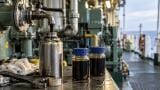
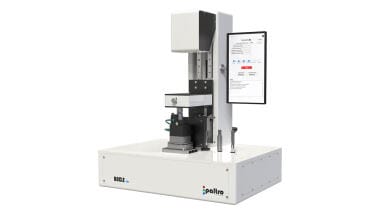
For companies like BP, plummeting oil prices reflect the need to rein in costs wherever possible. As well as keeping company’s afloat, minimising overheads also has the potential to save jobs. ‘NextGen Derived Cetane Analysis Enables Refineries to Save on Maintenance & Operations Costs’ explores how the latest technology is helping oil and gas companies slash MRO budgets by empowering themselves with precise control of the ignition start. This is a key part of maximising fuel efficiency, and obtaining a higher cetane number. Pioneered by Herzog by PAC, highly precise DCN analysis is hailed as the next generation of CVCC technology. By combining an electronically controlled high pressure injection system with fully automated measuring and calibration procedures, the technology categorically takes cetane analysis to the next level.
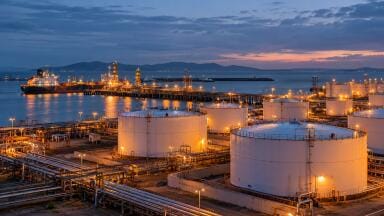
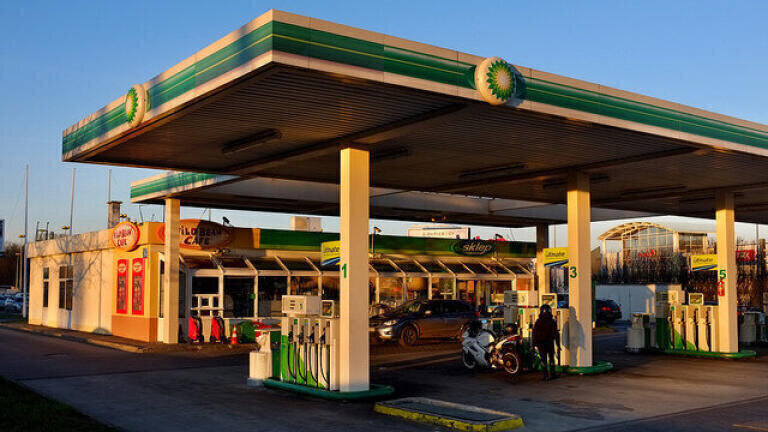
Image via Flickr Creative Commons. Photo credits: Rafal Zych
PIN 27.4 Aug/Sept 2026




 Product directory


.jpg)