Fuel analysis
For decades, the hum of the CFR fuel testing engine has been the heartbeat of quality control in refineries and labs worldwide. But while these legacy workhorses are still found in many labs, a fundamental shift is underway, moving from these venerable systems to the integrated, data-driven future of CFR Expandable Control Platform (XCP®) TECHNOLOGY.
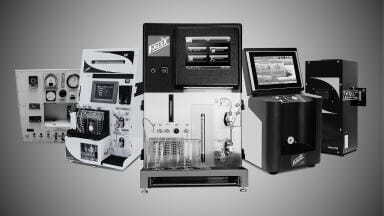
Since its inception, the CFR engine has been the globally recognised method for determining octane and cetane numbers, with the ASTM D2699 (RON), D2700 (MON), D2885 (Online) and D613 (Cetane) test methods forming the bedrock of gasoline quality assessment worldwide. Its robust, American-made design has provided a foundation of reliability for generations. The iconic green instrument panel, with its array of analog dials and manual controls, is a familiar sight to any seasoned technician. These legacy systems are a testament to enduring engineering, but in today's demanding environment, their age presents significant challenges.
While dependable, the traditional CFR panel - a design over 70 years old - was built for a different era. For the labs still relying on this equipment, the operational risks are no longer distant concerns but daily realities. The non-intuitive, manual nature of legacy panels makes training new operators a difficult and time-consuming process and heavily reliant on passing down institutional knowledge. Additionally, sourcing parts for aging analog and mechanical components is increasingly difficult, creating a constant and growing risk of prolonged downtime. Furthermore, in an age of digital traceability, these systems offer no native way to automatically record, store, or export test data, leaving labs vulnerable to manual data entry errors. Maintaining and repairing these intricate systems requires a specialised and often scarce skillset.
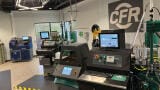
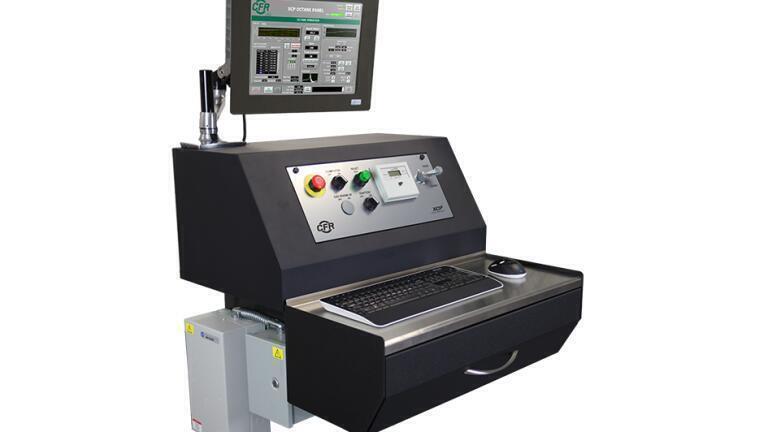
Recognising these challenges, CFR introduced the XCP TECHNOLOGY in 2009. For over 15 years, it has served not as a mere update, but as a complete reimagining of the fuel testing process. XCP has established itself as the new standard for all modern installations, replacing the disparate components of the past with a single, fully integrated system where the engine, control panel, and software are designed to work in seamless unison.
Upgrading to XCP® TECHNOLOGY delivers tangible benefits across all lab operations. Where operators once relied on manual interpretation, the XCP® provides computer-guided compliance with ASTM D2699, D2700, D2885 and D613. This removes guesswork, reduces human error, and ensures higher consistency and repeatability. This level of automation not only ensures adherence to the method but also minimises operator-to-operator variability, leading to more consistent and reliable data across all shifts. The XCP platform automatically captures and logs all operating parameters, test results, and ambient conditions. Built-in maintenance logs, on-screen manuals, and direct LIMS connectivity provide an unbroken data chain from test initiation to final report, ensuring complete traceability and simplifying compliance. The intuitive interface dramatically reduces the learning curve. Technicians train faster as built-in prompts and templates guide them through test procedures. The ability to easily switch between test methods and run flexible fuel sequences significantly increases lab throughput. By upgrading to a modern, fully supported platform, labs eliminate the risks of component obsolescence. A single point of contact for the entire system and a global network of authorised technicians ensures maximum uptime and reliable long-term support.
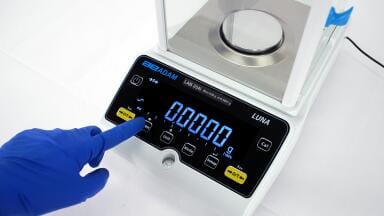
The power of the XCP TECHNOLOGY extends beyond a single unit. It serves as the central nervous system for a suite of advanced lab solutions, including the Online Continuous Testing System (CTS) to meet ASTM D2885, Sustainable Water-Reduction Closed-Loop System, Engine Air Control System (EACS), and Automated Gravimetric Blending Systems (GBS). This ecosystem approach allows labs to build a connected, efficient, and data-rich environment.
The era of manual dials and handwritten logs has served the industry well, and its longevity is credit to the original CFR design. However, its time is passing. For laboratories looking to enhance precision, boost productivity, and secure their operations for the future, the evolution is clear. The move from legacy systems to the proven, integrated power of XCP TECHNOLOGY is not just an upgrade - it's a necessary step to secure your lab's relevance and reliability for the future.
PIN 27.4 Aug/Sept 2026



 Product directory


.jpg)