Fuel analysis
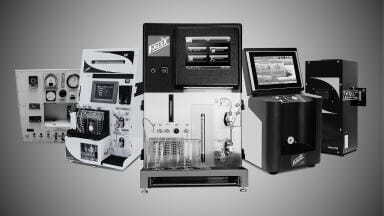
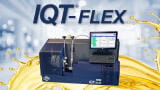
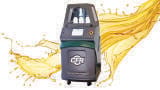
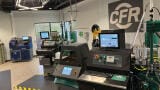
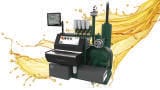
As the world strives to reduce greenhouse gas emissions, liquid fuels remain critical for sectors that are not easily electrified, such as long-haul trucking and aviation. Fortunately, renewable fuels like sustainable diesel and Sustainable Aviation Fuel (SAF / SATF) offer a path toward net-zero emissions, provided their performance and quality can be accurately measured. That’s where the CFR Engines Inc. IQT® – Ignition Quality Tester plays a vital role.
In ground transportation, renewable diesel fuels such as Hydrotreated Vegetable Oil (HVO) and Gas-to-Liquid (GTL) diesel boast ultra-high cetane numbers, often exceeding 70. These fuels are not only cleaner but also enable blending with conventional diesel to enhance ignition quality. To support this shift, the European Committee for Standardization (CEN) has revised IQT test method EN 15195:2023, increasing the upper scope limit for Derived Cetane Number (DCN) from 71 to 76.8. As defined by ISO 4259, valid test results can now extend up to 81.15 DCN, making the IQT suitable for certification of all high-cetane fuels.
In aviation, the shift toward SAF / SATF is accelerating. Novel SAF / SATF formulations must meet strict performance standards, particularly to avoid phenomena like lean blowout, where engine flameouts can occur during flight. The IQT has proven instrumental here as well, researchers found that the DCN measured by IQT correlates with jet fuel lean blowout tendencies. ASTM D4054, the global standard for SAF / SATF evaluation, specifies a DCN range of 35-60, with the IQT D6890 test method being the original recognized standard.
Early-stage SAF / SATF research often involves extremely limited fuel samples. The IQT is the industry-leading low sample volume requirement with just 10 mL for a single test enables crucial testing at even the earliest stages of fuel development.
Whether advancing high-performance renewable diesel or helping validate next-generation jet fuels, the CFR IQT continues to fuel the future, delivering precision, reliability, and innovation in cetane testing.
PIN 27.4 Aug/Sept 2026



 Product directory


.jpg)