Biofuel industry news
Published over 13 years ago. See the latest and most current information on Biofuel industry news.
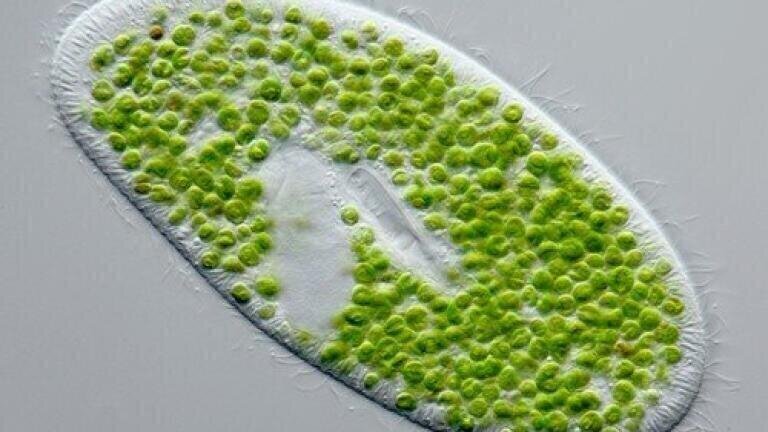
Canadian Natural Resources Ltd. (CNLR) is hoping to reduce emissions of greenhouse gases from its tar-sands operations by building an algae-based processor. The algae processor will be used to recycle greenhouse gases that are created via the tar-sands operations, into biofuels. The algae will also produce a variety of other products from the gases, such as fertiliser that can be used for land reclamation.
The processor will be built at CNRL's Primrose South project and is in partnerships with Pond Biofuels Inc. and the National Research Council. It will begin as a pilot project - costing C$19 million (£13 million) - to demonstrate converting industrial greenhouse gases in this way is commercially viable on a large scale.
In total CNRL will be putting C$9.5 million (£6.1 million) into the project, the federal government is contributing C$6.3 million (£4 million) and Pond Biofuels Inc. is investing C$3.2 (£2 million). The project will be running for a three-year period.
The process will use the carbon dioxide created by the tar-sands project to grow algal biomass. This biomass will then be processed into different components - biodiesel, fertilizer and livestock feed. The companies involved hope to show that similar process plants are worthwhile investments for other companies and industries, in order to reduce emissions and to create other products.
CNLR has said that the project is part of its ongoing mission to reduce the emissions created by its operations. The company revealed that emissions could be cut by up to 30 per cent. If the pilot is successful another processor will be built at the Horizon Oil Sands plant, where it could reduce emissions by around 15 per cent.
The company is also intending to recycle waste heat and wastewater to help with the growth of the algae, to make the process even more environmentally effective.
PIN 27.4 Aug/Sept 2026


 Product directory


.jpg)


















.jpg)