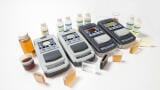
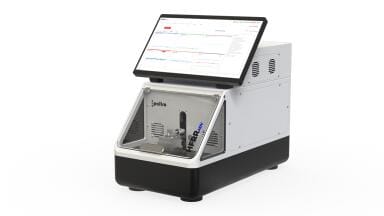
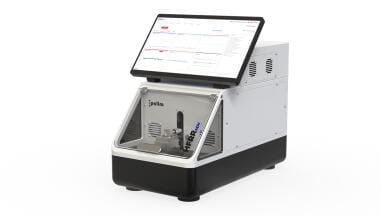
Tintometer (UK) has expanded the capabilities of its popular Lovibond PFX195 automatic colorimeters to include Acid Wash Colour, a quality test specified in ASTM D848 for industrial aromatic hydrocarbons such as benzene, toluene, xylenes and refined solvent naphthas. When an aromatic hydrocarbon is mixed with sulphuric acid, any impurities present are indicated by the colour developed in the acid layer. The PFX195 measures this colour, determines the closest match to pre-calibrated chromaticity data and reports it as an Acid Wash Colour value over the range 1 - 14, followed by a + or – sign if the sample is darker or lighter respectively than the standard.
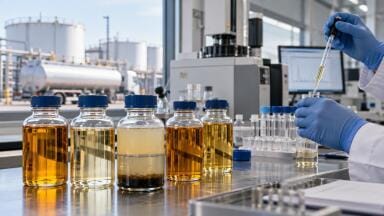
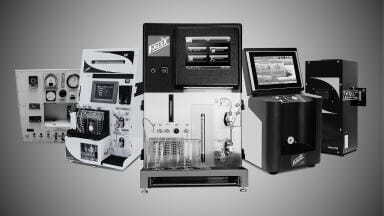
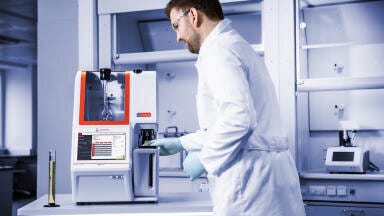
In addition to Acid Wash Colour, the Lovibond PFX195 automatically measures the colour of fuel oils, lubricants and petrochemicals in terms of standard scales such as ASTM Colour, Saybolt Colour and Platinum-Cobalt/Hazen units. Its popularity stems from a design that meets the tough demands of a petroleum laboratory, in particular a robust steel construction with excellent chemical resistance and the ability to handle hot samples with high melting points. Furthermore, confidence in operation is given by a selection of certified reference standards supplied with the instrument.


 Product directory


.jpg)









.jpg)
.jpg)