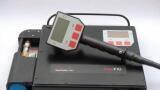
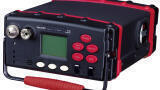
The measurement of methanol leaks in biodiesel production facilities is essential for compliance with air quality operating permit requirements, and the MicroFID analyzer from Photovac (USA) offers this capability in a portable and easy to operate instrument. With its flame ionization detection (FID) technology, the MicroFID measures methanol leaks accurately and quickly.
A single tutor key prompts the operator through the basic operations, and critical data is displayed in less than 3 seconds. Further, the MicroFID provides datalogging capability so readings can be stored in the instrument and downloaded to a computer for subsequent analysis and record-keeping purposes. The MicroFID meets and exceeds the requirements of NSPS Subpart VV specific to EPA Method 21 for fugitive emissions, also known as leak detection and repair (LDAR). It is rated intrinsically safe for hazardous environments. “The MicroFID’s detector is simply the best available technology in a portable instrument for Methanol detection.†said James Norgaard, VP of Product Development of Photovac, Inc. “Additionally, the instrument’s sensitivity and accuracy are vital to helping plant operators manage and maintain compliance with air quality regulations.â€



 Product directory


.jpg)









.jpg)

.jpg)