In order to obtain a sharp endpoint and therefore reproducible results with potentiometric titration methods, the reactions upon which the titration is based must result in sufficiently large alterations in electrochemical quantities in the solution to be titrated. In thermometric titrations such alterations can be considerably smaller and still produce extremely accurate results – only one of the many advantages of this method!
A typical example of a thermometric titration is the less well-known exothermic reaction in which the mineral elpasolite (NaK2AlF6) is formed from sodium, potassium, aluminum and fluoride ions. The industrial determinations of sodium, aluminum and fluoride are based on this reaction; these are all known as versions of the «elpasolite method».
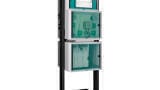
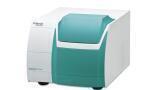
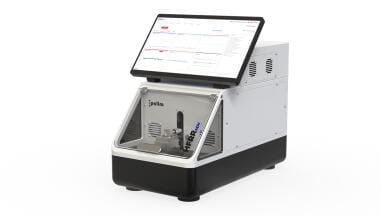
With the aid of thermometric titration, the elpasolite method offers a quick, reliable and extremely accurate method for determining sodium, aluminum and fluoride ions in numerous different sample matrices. The 859 Titrotherm from Metrohm is the suitable favourably-priced instrument for these determinations.



 Product directory


.jpg)











.jpg)

.jpg)