Analytical instrumentation
Published over 14 years ago. See the latest and most current information on Analytical instrumentation.
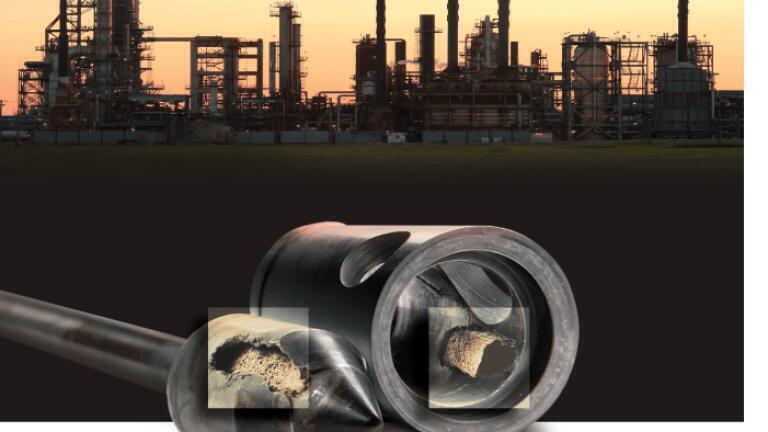
A new 20 page brochure explains how the careful selection of a control valve in terms of its size, type, trim style, geometry, and materials are all critical to controlling cavitation and preventing its damaging effects in the petrochemical and refining/hydrocarbon industries.
Cavitation is an unintended occurrence in many processes related to the transportation and processing of liquids. Mixture hydrocarbons, such as crude oils, may have less damage potential than a similar application on water, but highly refined fluids, such as gasoline blends, can cavitate with the same damage potential as water. Crude oils often carry particulate that will plug the small flow passages in some cavitation-control designs.
By understanding the causes of cavitation and the factors that affect the damage it causes, plant operators and maintenance personnel will be able to select the right Fisher® control valve based on its size, type, trim style, geometry, and materials – all critical factors to providing reliable solutions.
The brochure explains how the cavitation coefficient can be used to indicate the potential for damaging cavitation in a control valve and this is dependent on several factors including valve/trim style, service conditions, fluid properties, intensity/magnitude of pressure drop, materials of construction, length of exposure and quantity of flow. By giving proper consideration to service conditions and the process loop design, flow conditions that will produce damaging cavitation can often be avoided at the design phase of a project.
The brochure also describes the various trim styles available with application examples that outline how the products have been used to solve a range of problems. Cutaway views show how the different technologies work.
Emerson Process Management leads the way with Fisher cavitation control trims that solve customers’ issues. Correct engineering and manufacturing of anti-cavitation trims is critical to their overall operation and life expectancy. Holding tight tolerances, selecting correct materials, and correctly staging the pressure drop can be the difference between extended trim life or an unplanned shutdown.
For further information on the wide range of Fisher cavitation control technologies, go to www.FisherSevereService.com ; e-mail [email protected] or download the brochure
PIN 27.4 Aug/Sept 2026



 Product directory


.jpg)










.jpg)





.jpg)