Analytical instrumentation
Published over 4 years ago. See the latest and most current information on Analytical instrumentation.
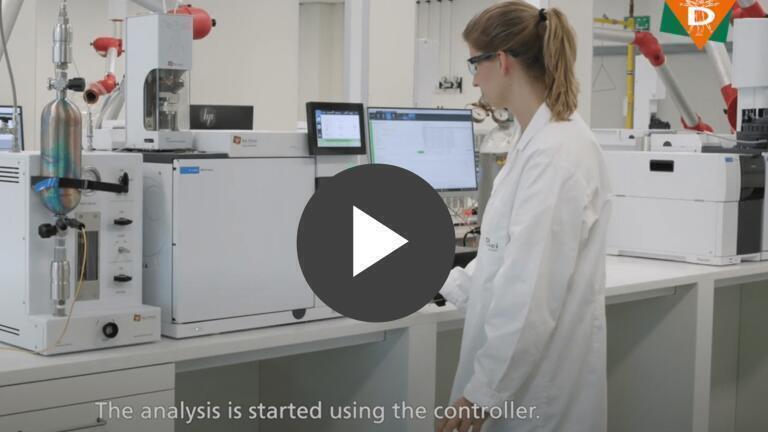
Current LPG test methods present a safety risk due to the required evaporation of large volumes of liquefied gas. To resolve the evaporation steps in an LPG analysis the Liquefied Gas Injector has been developed by Da Vinci Laboratory Solutions. In a product video the system configuration including the Liquefied Gas Injector is explained followed by a demonstration of the sampling & residue analysis in LPG.
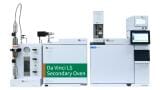
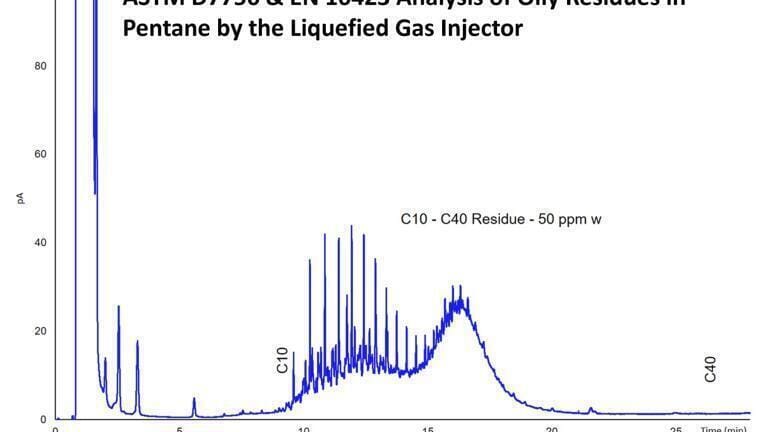
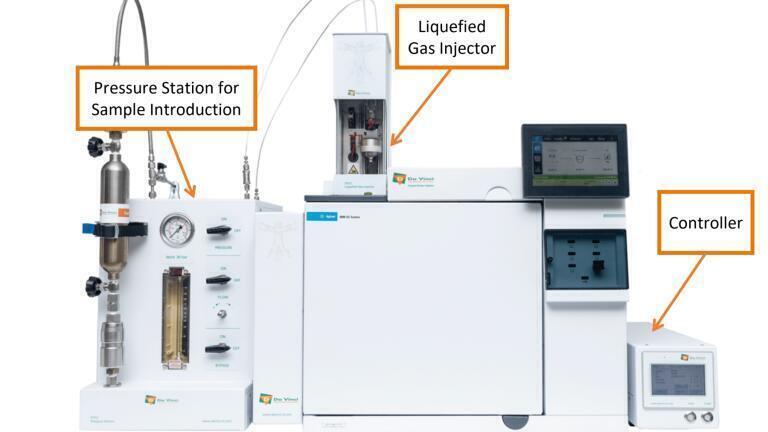
The Liquefied Gas Injector (LGI) technique is standardised in the ASTM D7756 and EN 16423 methods for the analysis of oily residue in LPG. The setup of the LGI analysis consists of an Agilent gas chromatograph on which the injector and its controller are installed. The Pressure Station is used for safe and accurate sample introduction of LPG. The analysis parameters are set in the Agilent OpenLab software.
The analysis of the oily residue in LPG is started using the controller. The LGI injects the LPG as a liquid directly into the GC inlet. The analysis of the oily residue is completed within 15 minutes. With this analysis excellent detection limits are achieved.
The injection of the LGI is based on the proven fuel direct injection technique used by the automotive industry to inject fuel into the automotive engine combustion chamber. An essential part of the LGI solution is the Pressure Station, that is used to maintain the liquefied gas sample in a liquid phase under constant pressure during the injection.
The DVLS Pressure Station keeps the sample under pressure using high pressure Nitrogen, which controls the outlet pressure and flow. Optionally the Pressure Station can also be configured with a vaporizer to control the sample waste. The waste sample is vented to a central waste system to ensure laboratory safety.
Adapting the hardware configuration extends the analysis of oily residues in LPG to a wider application range. The full application range of the DVLS Liquefied Gas Injector includes the following analyses:
Since its introduction in 2010 the LGI has been successfully used by a global installed base of oil refineries. Contact Da Vinci Laboratory Solutions for more information on the Safe, Fast & Accurate Solution for the analysis of Oily Residue in LPG.
PIN 27.4 Aug/Sept 2026

 Product directory


.jpg)









.jpg)

.jpg)

.jpg)

.jpg)