Analytical instrumentation
Published over 6 years ago. See the latest and most current information on Analytical instrumentation.
To allow a safe handling of an LPG sample Da Vinci Laboratory Solutions developed the DVLS Pressure Station. This station handles pressurized gas liquids or gaseous hydrocarbon samples during the injection into a Gas Chromatograph. The waste of the sample is vented to a central laboratory waste system.
Next to resolving the safety concerns, the pressure station keeps the pressure at a constant level to ensure repeatable sample analysis of LPG or other chemicals that are gaseous at ambient pressures. The DVLS Pressure Station keeps the LPG sample in a liquid phase under constant pressure during the injection by using high pressure Nitrogen.
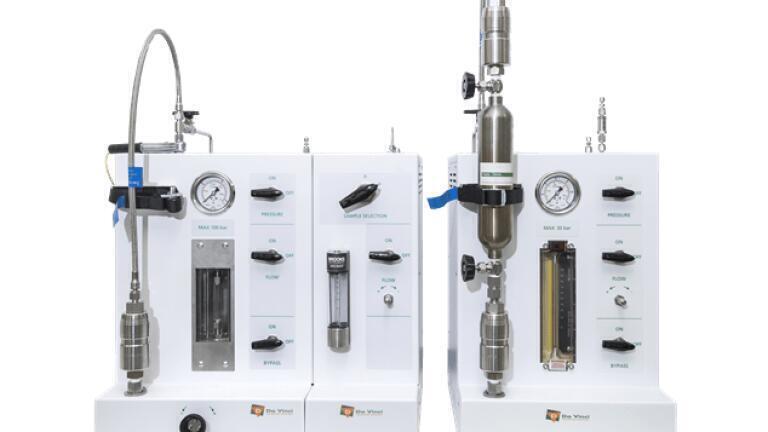
The design of the DVLS Pressure Station offers you a high flexibility as displayed in Figure One. Select from the following configuration options to fully meet your requirements:
The use of high pressure Nitrogen enables the DVLS Pressure Station to control the outlet pressure and flow. This technology has been proven in several applications that require a representative sample injection, such as:
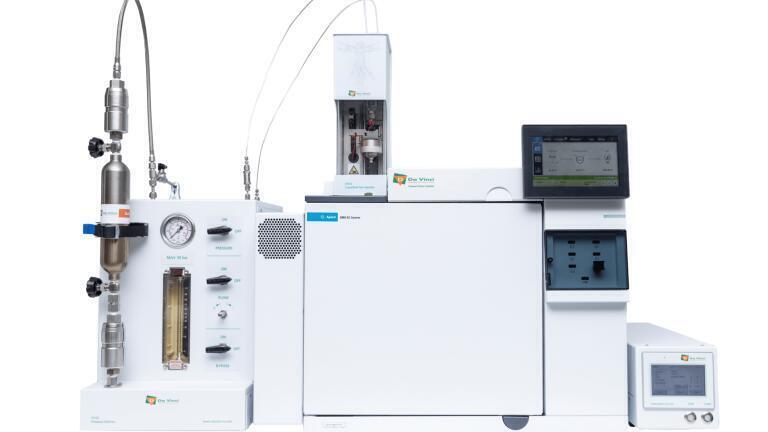
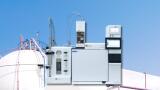
Figure Two displays the DVLS Pressure Station combined with the DVLS Liquefied Gas Injector: a dedicated GC solution for high pressure liquid sampling and analysis of C3 - C4 streams such as LPG. The Liquefied Gas Injector method has been standardized in ASTM D7756 and EN 16423 for the analysis of oily residues in liquefied petroleum gases by gas chromatography. The LPG specification standard D1835 lists the LGI method ASTM D7756 for the residue analysis.
Interested in the DVLS Pressure Station. Click here for more information on the DVLS Pressure Station.
PIN 27.4 Aug/Sept 2026


 Product directory


.jpg)









.jpg)

.jpg)

.jpg)
.jpg)