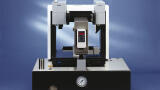
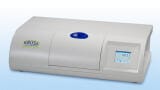
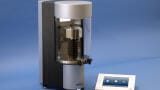
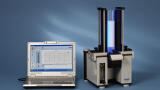
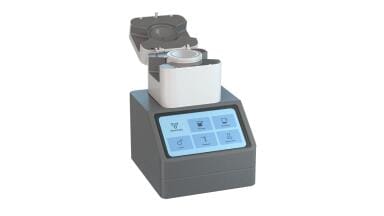
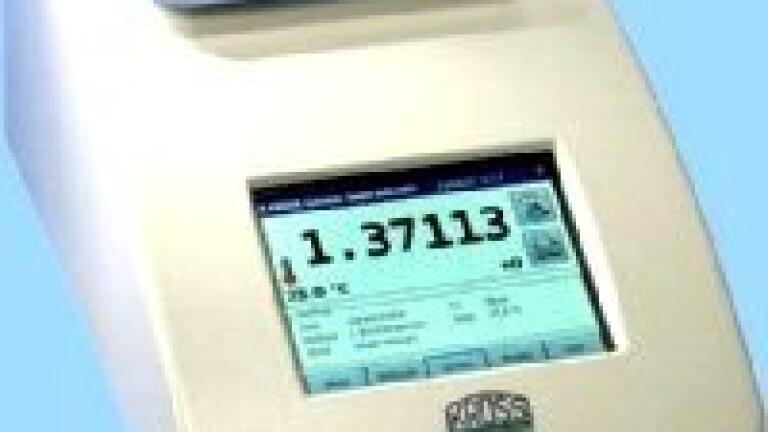
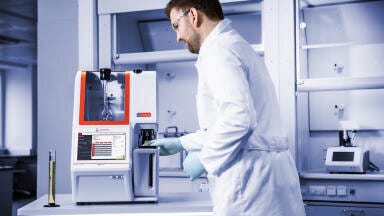
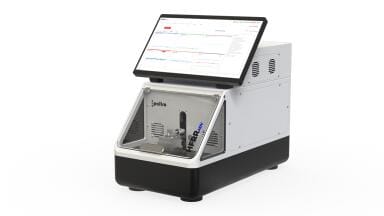
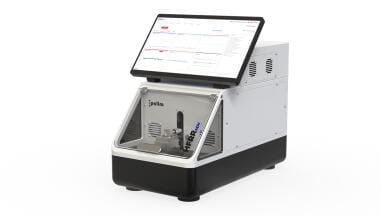
Using the KRÃœSS (Germany) refractometer model DR6300-T the temperature is controlled through a built-in Peltier-thermostat which allows a resolution of the refractive index of 0.00001. Due to these thermostatisation possibilities the KRÃœSS refractometers can be used not only for standard temperatures but also for applications with samples that are only fluid at higher temperatures like fats, wax, paraffins and other by-products.
The new refractometer series DR6000 from A. KRÃœSS Optronic offers sophisticated features including a new user surface, CFR Part 11 compliance, GLP conformity, SQL database organised storage of all measurement data, network interface with SQL routines, export of the data via USB flash drive, software update via USB flash drive and
6 user languages.
All these features define the new DR6000 refractometer series as the perfect instruments for FDA-regulated work areas with an integrated LIMS. But still these instruments are easy to use in all other laboratories as well. The European Union Public Service Review issue 13 highlights A. KRÃœSS Optronic's high precision instruments for petrochemical quality control.


 Product directory


.jpg)










.jpg)
.jpg)