Sulphur analysis
Published over 3 years ago. See the latest and most current information on Sulphur analysis.
Elemental analysis is essential to the petroleum industry and is imperative for processing purposes, meeting contract agreements, and complying with regulatory requirements worldwide. Analysing for sulphur is a top concern for various reasons, as well as monitoring for chlorine-bearing compounds or metals such as nickel and vanadium. High sulphur content in crude oil affects downstream processes, and the presence of chlorine can lead to corrosion damage in blending operations, pipelines, or during the refining process. Iron, nickel, and vanadium in crudes can also negatively impact the fluid catalytic cracking (FCC) process.
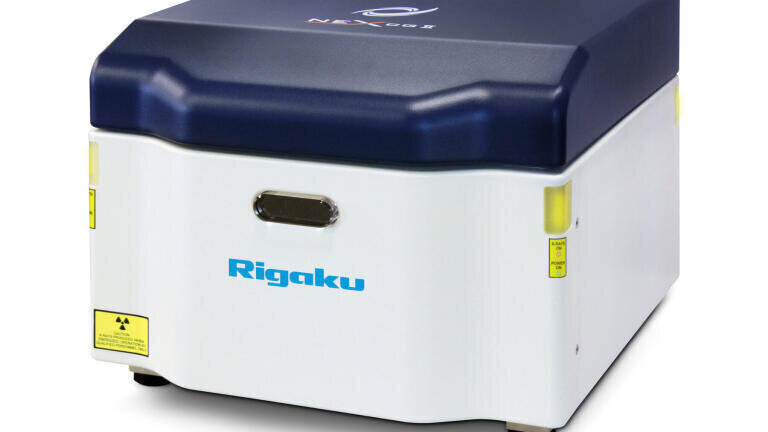
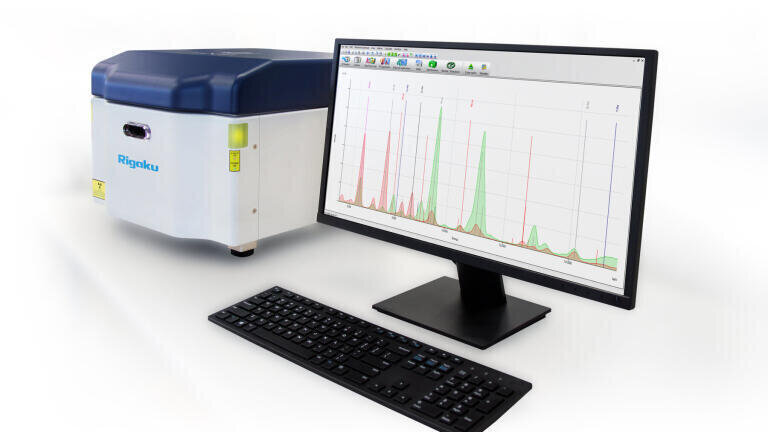
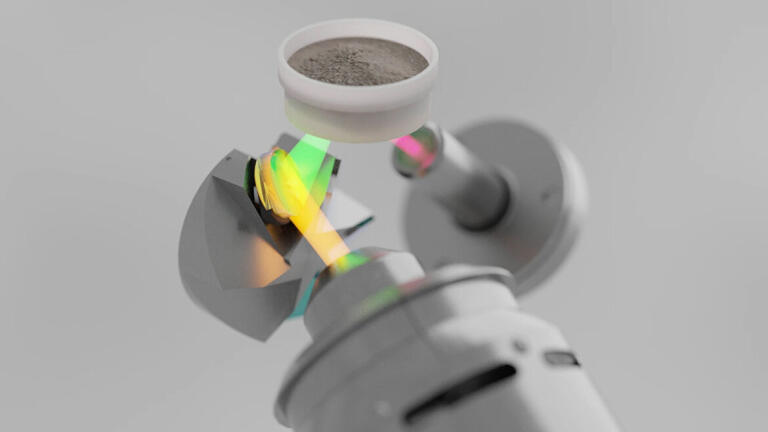
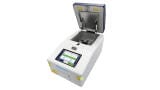
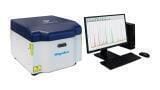
To help overcome these challenges or to meet testing criteria, NEX CG II, Rigaku’s all-in-one petroleum analyser, offers fast, reliable measuring and monitoring for ultra-low sulphur applications and much more. It provides rapid, non-destructive qualitative and quantitative elemental analyses of sodium to uranium in almost any matrix. It is an ideal tool for measuring ultra-low and trace element concentrations up to percent levels. In addition, NEX CG II excels in complex applications with trace elements and variable base matrices and achieves this superior analytical power using Cartesian Geometry EDXRF (energy dispersive X-ray fluorescence). This all-in-one system serves many screening and monitoring needs and gives users a versatile system for meeting multiple testing methods and standards.
NEX CG II offers users exceptional versatility to meet international regulations and testing requirements for measuring sulphur in petroleum oils, fuels, and ultra-low sulphur in diesel (ULSD).
Additionally, NEX CG II allows users to analyse more than just sulphur. It gives users more analytical capabilities to measure lead and manganese and delivers the lowest chlorine detection limits for ASTM D4929 compliance using Part C methodology.
Elemental analysis by EDXRF is one of the most cost-effective techniques for determining elemental composition — systems are typically more affordable than other technologies, are easy to use, and require minimal or no sample preparation. What makes NEX CG II unique is its 3D Cartesian Geometry optical kernel. This configuration dramatically increases the signal-to-noise ratio and delivers the highest sensitivity to users. NEX CG II rivals larger, more expensive systems and replaces the need for multiple single-element benchtops. This unmatched performance and smaller footprint make it an attractive instrument for any commercial lab or R&D facility. It is powerful enough for experts and easy to use for those running routine quality control.
PIN 27.4 Aug/Sept 2026


 Product directory


.jpg)












.jpg)




.jpg)