Measurement and testing
Published over 16 years ago. See the latest and most current information on Measurement and testing.
Acid gas removal processes use aqueous amine solutions to remove hydrogen sulphide (H2S) and carbon dioxide (CO2) from gases. In the regeneration process the amine can degrade or be depleted. In order to achieve the proper acid gas removal the optimum amine concentration must be measured and maintained. It is advantageous to ensure the proper amine concentration in order to optimise the H2S or CO2 removal. The correct amount of amine must be fed to the process as too low amine concentration will affect the absorption efficiency, while too high concentration will form a corrosion risk for the process equipment. The final amine concentration can be controlled by make-up ratio.
The amine concentration is traditionally measured by lab titration; this technique assumes that all alkalinity is due to amine and can give false readings because of the many interferences that are present. Now K-Patents’
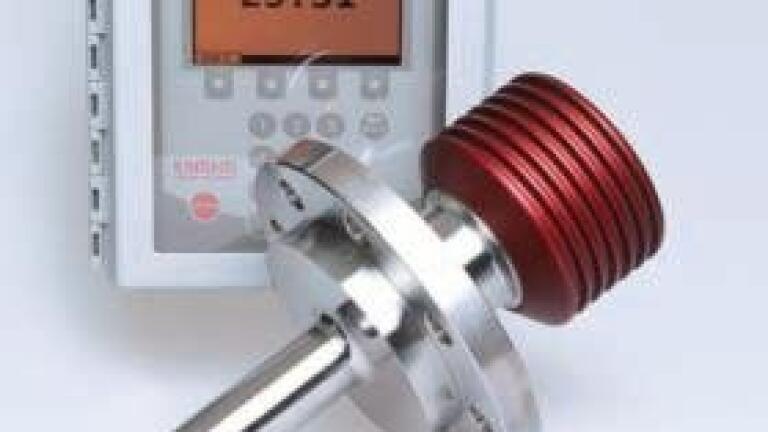
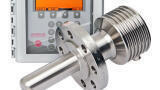
(Finland) continuous in-line refractive index measurement provides instant feedback to changes in amine concentrations. K-Patents process refractometer PR-23 determines the concentration of dissolved solids by making an optical measurement of the solution’s refractive index. K-Patents PR-23 is not affected by alkalinity or the many other interferences of the process.
PIN 27.5 Oct/Nov 26


 Product directory


.jpg)










.jpg)

.jpg)