Fuel for thought
Published over 10 years ago. See the latest and most current information on Fuel for thought.
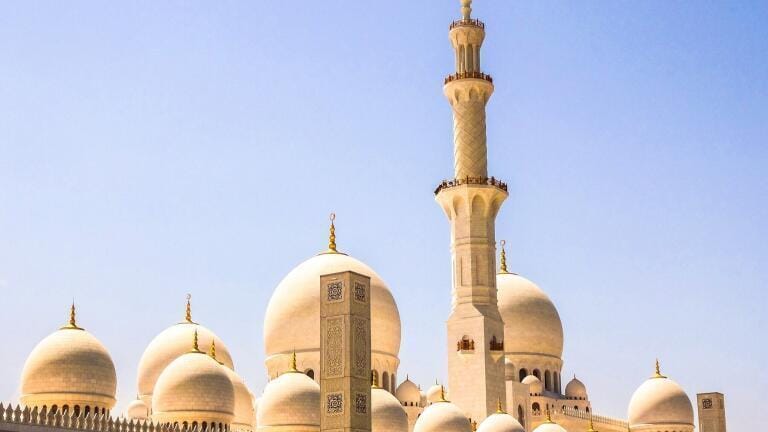
With April 17 just days away, Doha is getting ready to host an influx of global oil leaders as they descend on the city for the fated OPEC and non-member meeting. Held in the Qatari capital, analysts are confident that the event could shape the future of global oil markets. There are currently 13 confirmed attendees, including Saudi Arabia, Russia, Iran, Kuwait, Nigeria, UAE, Indonesia, Venezuela, Bahrain, Algeria, Oman, Ecuador and Qatar.
In 2010, oil producers basked in a market that saw crude orbit around the US$100 per barrel mark. However, in the wake of slowing economic growth and an imbalance between supply and demand, oil prices plummeted. After the 19 months following June 2014, prices dropped by 70%, representing lows that hadn’t been seen for 12 years. For countries dependent on oil exports as a major form of income, it was an unfathomable blow.
Now, these nations are about to engage in momentous talks that will address a host of economic and social issues that have been sparked by the commodity price drop. Analysts assert that a production freeze will likely dominate the conversation, with hopes of stabilising global prices.
Unfortunately for OPEC, not all attendees are on the same page. Russia has seen oil output spike over the past few months, which could discourage it from committing to a freeze. Iran’s newly lifted sanctions are also a factor, with the republic on track to hit 4 million barrels per day. While the nation is on the official attendee list, it has confirmed that it will not be engaging in freeze discussions. Lack of participation from such a major producer could further hinder chances of reaching an output immobilisation agreement.
So how are the other participants expected to react? Currently in the midst of an economic crisis, Venezuela is likely to jump at the chance to raise oil prices, even if it means committing to a freeze. Both listed as ‘fragile’ oil exporters by RBC, Algeria and Nigeria would benefit from output restrictions in the form of increased scope to fight terror groups Al Qaeda and Boko Haram. As a nation that generates 40% of its export revenue from oil, Ecuador actively supports a freeze. Saudi Arabia is another likely advocate, largely due to the fact that it’s facing a rare budget deficit as a result of spiralling oil prices.
Whether oil prices stabilise or remain volatile, quality control never falters. For an in-depth look at how the industry controls impurities, ‘Advances in the Analysis of Heavy Oils by High-Resolution ICP Optical Emission Spectrometry’ offers an astute overview of the latest ICP techniques.
PIN 27.4 Aug/Sept 2026



 Product directory


.jpg)