
Flow level pressure
Published over 10 years ago. See the latest and most current information on Flow level pressure.
Is it a bird? Is it a plane? No, it’s a drone. And they’re used for more than just bird’s-eye view filming. They’ve previously been used in military operations – unmanned explosions, for example – and even Amazon are trying to use them to deliver packages. But now, in the latest attempts to utilise the newest technology, oil companies are even trying out drones.
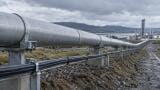
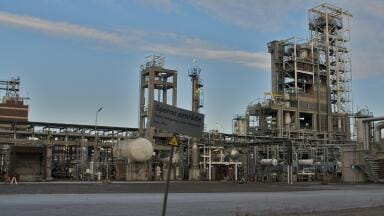
For those who don’t know, a drone is an unmanned aircraft. They are remote controlled and can be programmed to complete set routes. Varying in size, they can have cameras built in and even carry things around. So what use are they to oil companies? In short, they’re being used to inspect oil fields. Oil companies regularly have to carry out detailed inspections on their oil fields. They take several weeks and require about ten workers to be lowered and suspended from ropes.
However, French oil firm Total have been trialling drones to replace the current inspection regime. The drones can complete the job in far less time and – given that no people are required – for far less money. It’s not the first time it’s happened either. Cyberhawk, who provided the drones and drone expertise, have previously worked with other oil giants like Exxon, Shell and BP.
It’s thought Total have been pushed to trial these technological methods because of falling crude oil prices. The decreased profits of the companies mean they need to make cuts to their costs. Using drones is one way of achieving this without downsizing or losing any essential infrastructure that they might need in the future when business is booming.
Other techy techniques have been used to save time, money and effort too. Chevron has begun using robotic devices to clean their pipes in the North Sea. The innovative solution for their Erskine field has pushed up its production rate significantly – the highest it’s been for over two years.
Whether it’s drones, robots or any other new technology, it looks like it’s the right way to go when a downturn forces you to make cuts. Other companies choose to cut staff, but if it gets too drastic, it results in a disproportionate workforce. There aren’t enough staff to do the necessary work. Training, quality checks and regulation adherence are the first things to suffer, as discussed in ‘Who is Manning the Cash Register?’.
PIN 27.5 Oct/Nov 26



 Product directory


.jpg)




















.jpg)