Flow level pressure
Published over 10 years ago. See the latest and most current information on Flow level pressure.
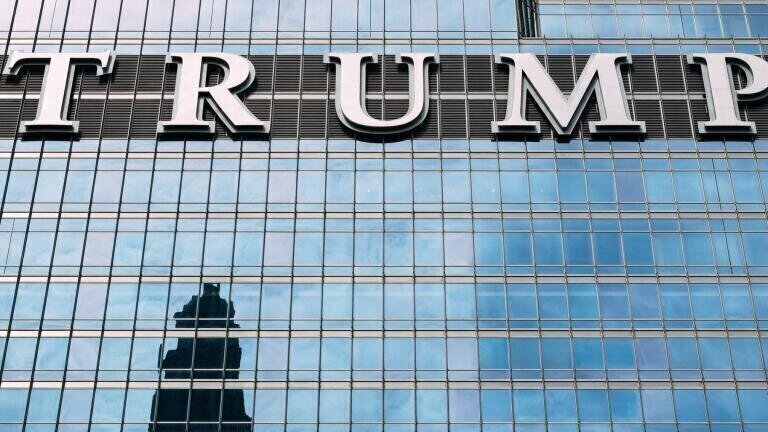
Donald Trump has suggested a plan to seize oil from Iraq. According to him, it’s a way to ‘reimburse’ some of the money and troops lost in the Iraq war. It’s controversial for a number of reasons, not least because it puts some sort of financial value on the lives of US troops. But one big concern is actually the legality of his plan. Would taking Iraq’s oil be illegal?
Trump has tried to legitimise the idea by suggesting he only wants to take the oil controlled by ISIS. There are two problems with this:
According to experts in the field, it would actually be a war crime. “In international law, you can’t take civilian goods or seize them. That would amount to a war crime,” explains Anthony Cordesman from the Centre for Strategic and International Studies (CSIS). “Oil exports were almost the only Iraqi source of money. So you would have to pay for government salaries, maintain the army, and you have triggered a level of national animosity far worse than we [Britain] did”.
The problem is that labelling it a “war crime” is unlikely to stop the US presidential candidate. He’s previously suggested he would force the US military to commit war crimes, such as torture. “They won’t refuse. They’re not going to refuse me. If I say do it, they’re going to do it,” he asserted.
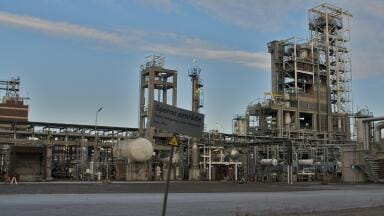
Another problem that’s been highlighted is the cost of the operation. Full areas would have to be controlled by the US military while oil is pumped out and transported. The complexity is high and so is the price. Pair that with the decreasing price of oil and you’ve got a plan that’s looking less and less lucrative. Falling oil prices have also had an effect on the oil industry more widely too. In some cases, it’s led to companies cutting staff and stretching their personnel. The result is inadequately trained staff not being able to follow regulations properly. This problem is explored in ‘Who is Manning the Cash Register?’.
PIN 27.5 Oct/Nov 26

 Product directory


.jpg)







.jpg)