Flow level pressure
Published over 9 years ago. See the latest and most current information on Flow level pressure.
Despite political instability, Nigeria is home to a wealth of natural landmarks, national parks and wildlife reserves. Though in the wake of continuing attacks on state-owned oil pipelines, it’s fragile ecosystems and local communities are increasingly at risk.
Today, Nigeria’s Escravos River is littered with rotting freshwater crabs, snails, fish and other marine organisms. Thanks to a September 2016 oil spill that swathed the river in unrefined crude, what was once a thriving ecosystem is now a death zone. Just eight months earlier, the same scenario hit the Forcados pipeline, one of Nigeria’s keynote export lines. Carried out by militant groups, analysts estimate that the attack cost Nigeria around 20% of its total oil production, which equates to a huge 400,000 barrels a day.
The attacks are led by militant groups like the Niger Delta Greenland Justice Mandate, who believe that the Delta region should receive a greater share of oil wealth generated in the area. Currently, state-owned oil companies such as the Nigerian Petroleum Development Company (NPDC) own the lines, and retain the majority of profits. Pipeline attacks are becoming an increasingly popular form of protest, with militants attempting "to prove to the wicked and ungrateful multinational oil companies and their Nigerian military allies... that we own our lands."
The economic impact is severe, but ecologists are warning that if the attacks continue, Nigeria’s aquatic ecosystems will be damaged beyond repair. Water contamination in the Niger Delta also has a social effect, with its riverine village communities relying heavily on the river for food, water, medicine and income. From collecting drinking water to washing clothing, locals now have to walk for hours to find clean water. This increases the burden on female carers, who already spend around 8.5 hours a day carrying out ‘unpaid care work’ tasks such as cooking, cleaning and caring for children.
Unfortunately, multinationals Royal Dutch Shell and ENI aren’t taking action or handing out compensation. Instead, they’ve declared a ‘force majeure’ as the damage was intentionally caused by a third party. For locals, this means social disruption, and a very real threat to the health of communities.
As Nigeria is currently learning first-hand, money is always front of mind when it comes to oil and gas. ‘Who’s Manning the Cash Register? Part 2’ continues to explore the concept of tank gauging for custody transfer, and how new technologies are helping to minimise the risk of disruptions.
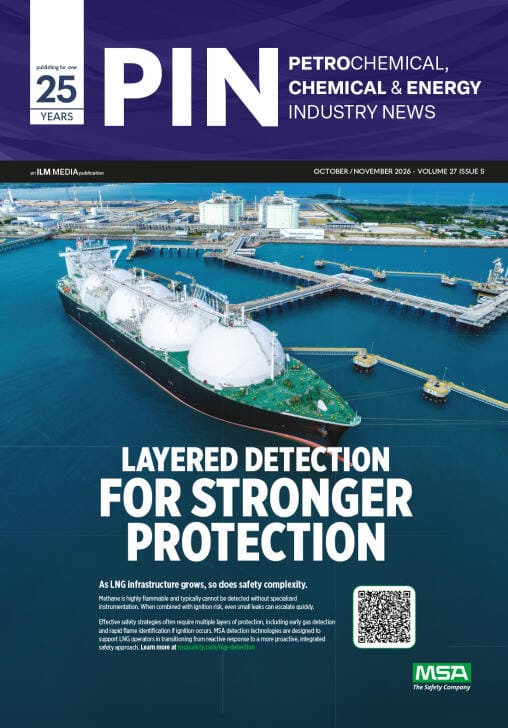
PIN 27.5 Oct/Nov 26

 Product directory


.jpg)













.jpg)