Fixed gas monitor
Published over 15 years ago. See the latest and most current information on Fixed gas monitor.
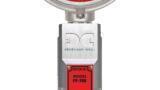
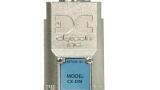
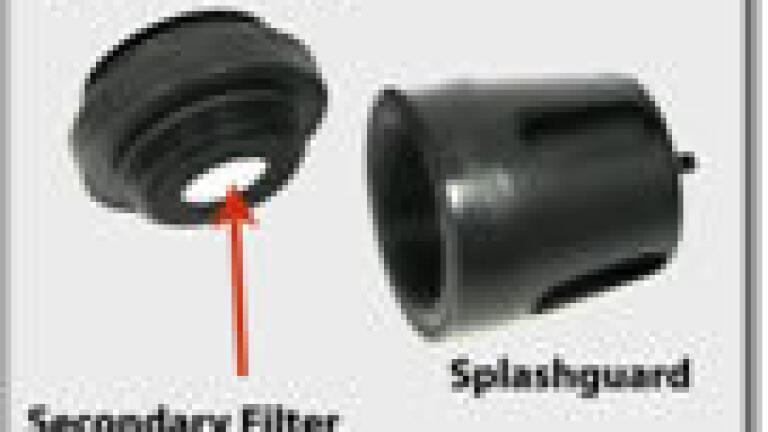
Detcon (USA) has improved its Model PI-700 Photo-ionisation gas detection sensor to better manage humidity drift and surface contamination, making it more reliable and durable in the field. The Model PI-700 is a "Smart" sensor designed to detect and monitor a wide range of volatile organic compounds (VOC’s) and toxic gases in air. Photo-ionisation detectors (PID’s) are generally the preferred sensor technology for detecting VOCs; however, high humidity can cause the zero baseline to drift. In addition, large complex VOC molecules can build up on the sensor lamp filter causing surface contamination and span drift. In response, Detcon designed a secondary filter that helps minimise humidity changes and prevents heavy complex airborne VOC molecules from contacting the PID Sensor. Proper use of the secondary filter can extend the time between required sensor cleanings and/or replacement. The sensor assem bly includes a plug-in replaceable miniature PID in an electro-polished 316 stainless steel vault, a fully encapsulated Intelligent Transmitter Module (ITM), and a sensor splashguard with integral calibration-port. Detcon’s Model PI-700 sensors are CSA-US and ATEX certified for installation and use in Division 1/Zone 1 industrial locations.
PIN 27.4 Aug/Sept 2026



 Product directory
















-EN-2.jpg)