Biofuel industry news
Published over 12 years ago. See the latest and most current information on Biofuel industry news.
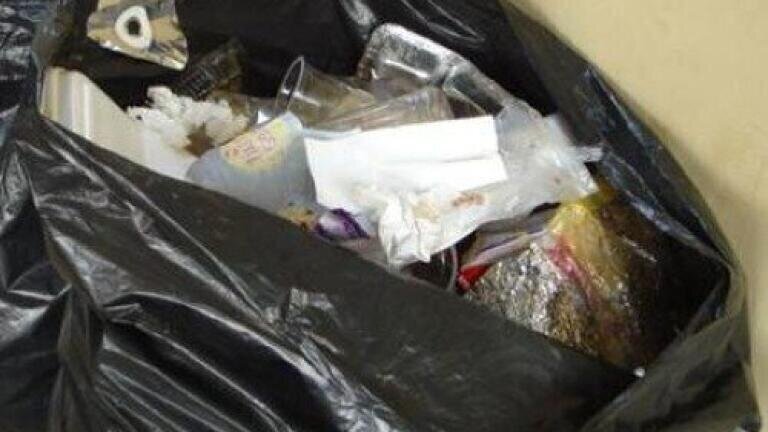
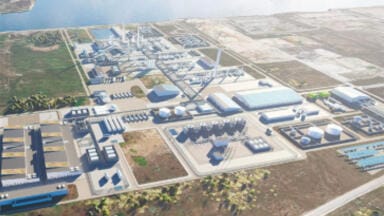
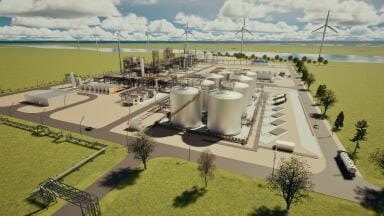
The new waste-to-energy plant in Edmonton, Alberta, Canada has begun commissioning its front end systems. The full-scale waste-to-biofuels and chemicals facility will use the city's municipal waste to create millions of litres of ethanol every year in a bid to provide energy and cut down on landfill.
Enerkem Alberta Biofuels has announced it will now start implementing front-end components at the plant that has been constructed on a former landfill site. The facility is one of the first commercial plants of its kind that has been constructed for the purpose of creating advanced biofuels and biodiesels. It aims to use around 100,000 tonnes of solid municipal waste to create around 38 million litres of ethanol.
Construction work at the facility has almost been completed, with commissioning intended to be finished throughout the next few months. It will begin to produce bioethanol during the same period before broadening its production to include ethanol once the module is put in place at some point in 2014.
The construction process has created around 600 direct and indirect jobs throughout North America, including on-site assembly and modular building of parts and systems. The facility will make use of Enerkem's patented gasification system for the biofuel production.
The plant, when combined with the city's facilities for recycling and composting, will help to divert around 90 per cent of Edmonton's municipal waste from landfill. It is hoped that the plant will become a model for other cities around the world in terms of sustainable alternatives to landfill dumping.
Alongside the plant facility, the Advanced Energy Research Facility has been constructed at the site to test the different types of feedstocks that can be used in the gasification system. It will test the quality of the fuels produced and look into how higher-value biofuels can be achieved through the process.
Forge Hydrocarbons, a spin-off company from the University of Alberta that performs bio-refining, will become tenants at the facility this month (December 2013). The company will look into how it can produce high quality fuels and liquids from any carbon source, including waste and sewage.
PIN 27.4 Aug/Sept 2026


 Product directory


.jpg)

















.jpg)