Sustainable aviation fuel (SAF)
Published over 4 years ago. See the latest and most current information on Sustainable aviation fuel (SAF).
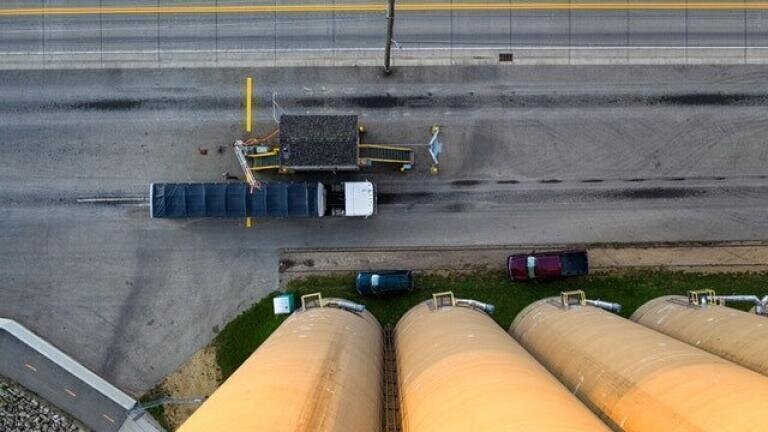
While storage tanks are often filled with finished petroleum products, the testing process doesn’t stop here. Even after fuel has been deposited into a storage tank, testing plays a fundamental role in monitoring quality and staying compliant.
Read on to find out more about how fuel is tested in storage tanks and why the process is so important.
The main reason testing is carried out on fuel stored in tanks is to monitor quality. When stored for long periods of time, fuel can start to degrade and take on contaminants. Petroleum products are subject to oxidation, polymerisation and emulsification. Fuel is also at risk of infestation from fungus and bacteria that can thrive over time.
All these scenarios can reduce the quality of the fuel and lead to the development of residues. This can cause serious instability and performance issues when the fuel is used to power trucks, trains, ships and generators. For aircraft such as planes and helicopters, fuel contamination can be life threatening.
As well as monitoring the quality of fuel, storage tank testing helps minimise the risk of spills. Over time, degrading fuel can damage tanks and cause issues like cracks and corrosion. This can result in leaks and spills if the damage goes unnoticed. Without storage tank testing, operators run the risk of fines and prosecution, not to mention costs associated with operational downtime, clean-ups, compromised contracts and higher insurance premiums.
Fuel analysis and quality monitoring programs help keep tabs on stored petroleum products and identify any issues. ASTM International, a global standards organisation that publishes testing protocols widely used in the oil and gas industry, offers technical fuel storage stability testing guidelines for a variety of different fuels. These include:
As well as regular testing using ASTM methods, the following steps can be taken to reduce the risk of fuel contamination in storage tanks:
Salt content is a major concern for oil producers, with high concentrations fast-tracking corrosion. Find out more about the next-generation technology being used to monitor salt levels in ‘Why measure salt in crude oil? Development of an innovative handheld instrument that helps measure salt content anywhere, anytime.’
PIN 27.4 Aug/Sept 2026


 Product directory


.jpg)























.jpg)