Analytical instrumentation
Published over 9 years ago. See the latest and most current information on Analytical instrumentation.
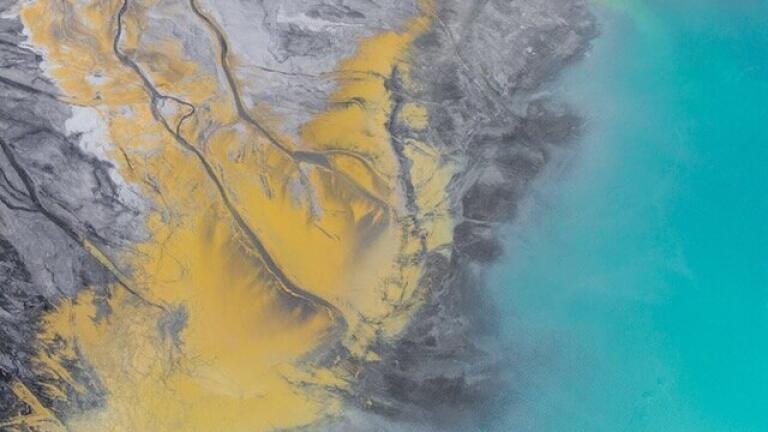
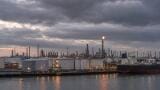
It’s no secret that fracking wreaks havoc on the environment. Now, new research has confirmed that as well as fast tracking climate change, fracking is also the cause of thousands of spills at US oil and gas sites.
The study builds on a report issued by the US Environment Protection Agency, carried out between 2006 and 2012. The EPA analysed fracking operations in eight states, and found that the practice had triggered 457 spills over the course of six years.
Now, new research from North Carolina’s Duke University is warning that the figure could be much higher. According to the team, up to 16% of hydraulically fractured oil and gas wells report spills every year. The study analysed four states over a 10-year period, and recorded a total of 6,648 spills. Oil-rich North Dakota was the biggest culprit, responsible for 67% of incidents. This was significantly higher than its counterparts - Pennsylvania, Colorado and New Mexico.
Over the past decade, the extraction of oil and gas from unconventional sources has revolutionised the way the US guzzles energy. Consumption is higher than ever, and it’s largely thanks to the use of hydraulic fracturing technology. It sees producers inject chemical additives infused fluids into the ground at high pressure, in order to crack subterranean rock and release trapped resources.
There’s no denying it’s efficient, but fracking also been slammed by environmental campaigners. They warn that fracking fast-tracks global warming, contaminates water supplies and poses a bigger risk of leaks and spills.
While the EPA study was relevant, lead author Dr Lauren Patterson maintains that it didn’t offer a genuine overview of the fracking spillage landscape. In comparison, the Duke University study limits itself to just four states with adequate data, over a longer period of time.
"The EPA just looked at spills from the hydraulic fracturing process itself which is just a few days to a few weeks," comments lead author Dr Lauren Patterson. "We're looking at spills at unconventional wells from the time of the drilling through production which could be decades."
Patterson explains that the causes of spills are varied, and admits that triggers are difficult to determine due to different reporting requirements in each state. That said, the study does confirm that the majority of spills occur in the first three years of operation, with around 50% related to pipeline storage and movement.
"Equipment failure was the greatest factor, the loading and unloading of trucks with material had a lot more human error than other places," he explains.
In a bid to protect the environment, oil and gas industry standards are continually changing. For more information on how the new SeNse detector developed by AC Analytical Controls (PAC) is revolutionising industry practices, ‘The New Standard in Speciating Sulfur and Nitrogen by Gas Chromatography’ is a must read article.
PIN 27.4 Aug/Sept 2026


 Product directory


.jpg)






.jpg)
.jpg)