Analytical instrumentation
Published over 17 years ago. See the latest and most current information on Analytical instrumentation.
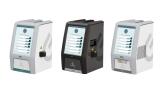
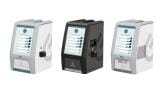
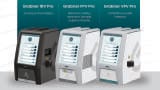
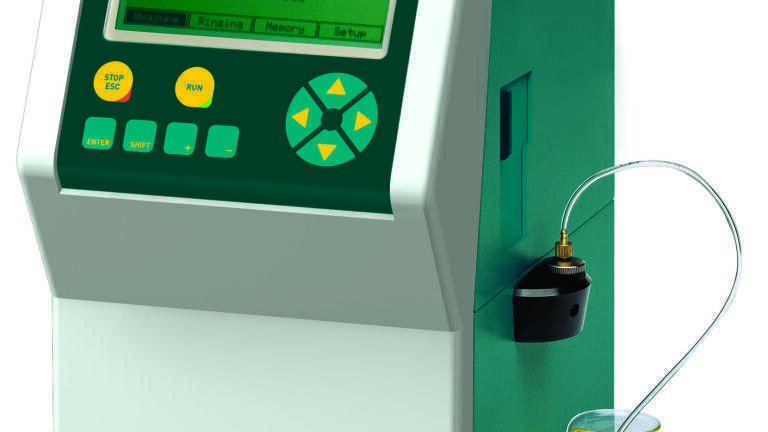
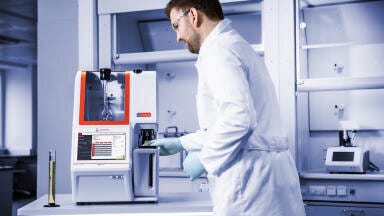
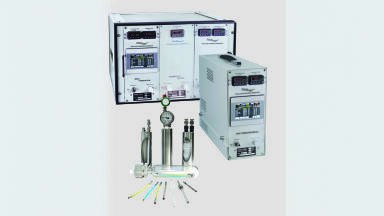
Grabner Instruments’ (Austria)Minivis 445 is a new and smart approach to testing the viscosity of liquids, fuels and oils. The fully automated, portable and rugged mini-viscometer MINIVIS 445 combines a falling ball viscometer and an advanced density meter, providing excellent correlation to the kinematic glass capillary method ASTM D 445.
Automatic measurements of kinematic and dynamic viscosity can be performed within a wide temperature range from -20 to +110°C and a viscosity range of 0.2 to 2000 cSt (mm2/s). Reflection sensors make it possible to cover a wide range of applications, from transparent to very opaque samples such as used or heavy oil. Automatic rinsing cycles and easy access to the measurement cell eliminate the cleaning problems associated with other viscometers. A small sample volume of 25 mL and a fast thermoelectric temperature control allow for rapid determination of the viscosity index at 40°C and 100°C in 10 minutes. At a constant temperature up to 20 samples per hour can be measured. The compact design and the fast and easy operation of the MINIVIS 445 make the instrument the first choice for precise viscosity measurements in heavy duty environment as well as for applications in mobile laboratories.PIN 27.4 Aug/Sept 2026


 Product directory


.jpg)











.jpg)

.jpg)