Analytical instrumentation
Published over 16 years ago. See the latest and most current information on Analytical instrumentation.
This paper addresses some key analytical issues which affect the accuracy and precision of analytical measurements required by hydrocarbon processors. These issues include the use of appropriate calibration standards for customer specific applications as well as correct material selection for gas sampling and analysis systems.
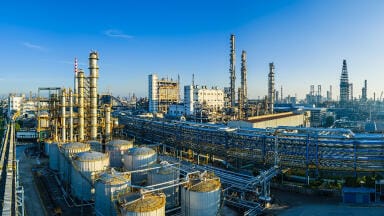
Hydrocarbon processing plants, from refineries to petrochemical plants, are all vulnerable to inefficiencies which impact performance. Technologies are constantly being developed and deployed to provide a higher yield which can decrease both capital expenditures and operating costs. Selection and optimisation of the process will not only depend on the product specifications and product composition, but also on specific process conditions. The process gases used must be analysed owing to the variation in raw materials and process stream parameters. Due to the high capital costs of these plants, up time must be maximised along with high product quality while maintaining plant and environmental safety. To address these challenges, analytical instruments are used to monitor product quality, to detect catalyst poisons in the raw materials, as well as for emission compliance. The analytical results can be vital to the plant operational efficiencies and safety.
Flawed analytical results may be damaging to the product quality, expensive catalysts used in the processes, as well as environmental controls; all with potential significant cost impact. Therefore, it is important to have a reliable and consistent analytical system in place. Key issues to help ensure the reliability include the sampling system, analytical instrumentation and calibration.
PIN 27.4 Aug/Sept 2026


 Product directory


.jpg)