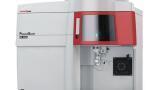
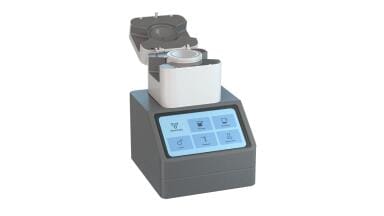
The analysis of trace metals is an integral part of petrochemical process and product control. Process performance considerations as well as environmentally-related legislation require certain elements to be analysed in crude oil, intermediate and final products.
Different elements can cause corrosion, destroy catalysts or have other negative influences on process equipment and its performance (e.g. nickel, vanadium, chromium), while others are toxic, and thus must not be contained in petroleum-based fuels (e.g. lead, arsenic, mercury). Multiple analytical methods are in use for this purpose, with their respective methods of sample preparation.
Atomic spectrometry is commonly used for trace element analysis, mostly ICP OES and AAS. Both methods can only handle liquid samples of low viscosity, so crude oil and heavy to medium fractions have to be dissolved in a suitable solvent or mineralised prior to the analysis, only light fractions can be analysed directly.



 Product directory


.jpg)