Methanol fuel
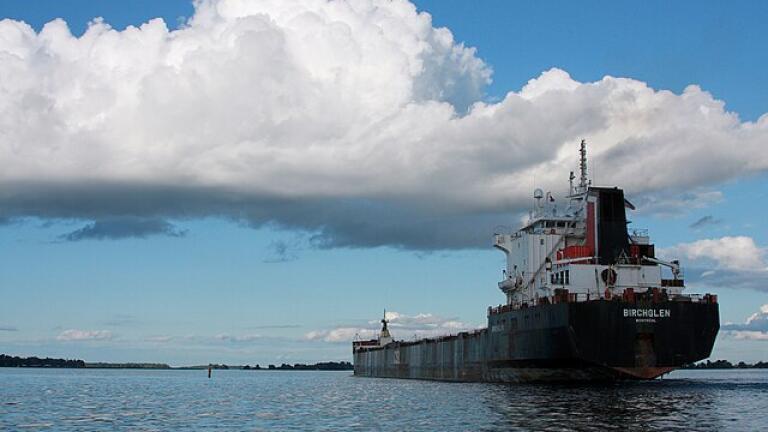
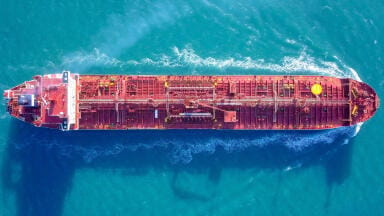
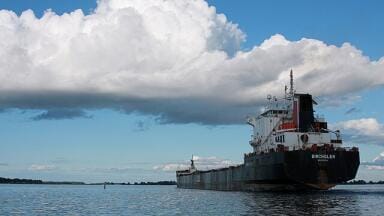
Like aviation, the shipping industry is both a lynch pin of our global economy and incredibly resistant to decarbonisation, despite widespread electrification. It's the opinion of the industry that decarbonisation means either green ammonia or methanol fuel - so, which one will it be?
The shipping industry is at a critical juncture. Confronted with increasingly strict emissions regulations and the imperative to reduce greenhouse gas emissions, maritime operators are actively seeking sustainable fuel alternatives to replace traditional, carbon-intensive bunker fuels.
Two of the most promising candidates are green ammonia and green methanol. Both fuels are produced using renewable energy sources, but they differ significantly in terms of production processes, handling characteristics, and technological readiness.
Green ammonia is synthesized by generating hydrogen through water electrolysis and combining it with atmospheric nitrogen, resulting in a fuel that, when combusted in specialized engines, produces near-zero carbon emissions. Green methanol, on the other hand, can be produced from renewable feedstocks such as biomass or through the combination of captured carbon dioxide and renewable hydrogen.
Each fuel presents unique opportunities and challenges, and their relative merits will play a key role in shaping the future of sustainable shipping.
One of the primary appeals of green ammonia is its capacity to deliver near-zero carbon emissions when produced entirely from renewable energy. Because the hydrogen required for ammonia synthesis is generated through water electrolysis powered by wind, solar, or hydropower, the entire production process avoids fossil carbon emissions.
In combustion, green ammonia emits minimal CO₂, making it a highly attractive option for meeting international mandates aimed at drastically reducing shipping emissions. Although ammonia combustion can produce nitrogen oxides (NOₓ), ongoing research into advanced combustion techniques and catalytic converters is actively working to mitigate these emissions.
Green methanol offers environmental benefits that are similarly compelling. When produced from renewable sources—whether through biomass conversion or by combining captured CO₂ with renewable hydrogen—methanol becomes a carbon-neutral fuel. Its combustion yields lower levels of sulfur oxides (SOₓ) and particulate matter compared to conventional bunker fuels.
Additionally, green methanol’s production process can help reduce carbon intensity by recycling CO₂, thereby contributing to a circular carbon economy. While its combustion does emit CO₂, this output is largely offset by the renewable or recycled nature of its feedstocks, aligning well with the industry’s decarbonization targets.
Green ammonia and green methanol diverge significantly when it comes to storage and handling.
Green ammonia, which must be stored as a liquid under moderate pressures or at low temperatures, demands modifications to existing fuel infrastructure.
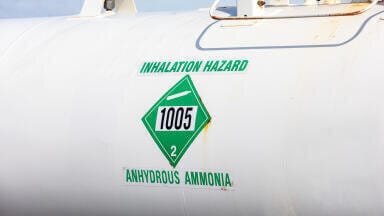
Its handling is complicated by its toxicity, requiring robust safety systems to protect personnel and the environment. The chemical industry’s extensive experience with ammonia provides a basis for developing these safety protocols, but retrofitting ports and ships will require considerable investment and regulatory oversight.
In contrast, green methanol benefits from its physical properties as a liquid at ambient temperature. This advantage means that green methanol can often be stored and transported using infrastructure similar to that used for conventional fuels.
The relative ease of handling reduces the need for extensive modifications, making methanol a more immediately deployable alternative. Its liquid state and higher energy density compared to ammonia enable it to be integrated into current fueling systems with fewer safety concerns, although proper management is still required to handle its flammability.
The combustion characteristics of each fuel also dictate the types of engine technologies required. Green ammonia faces challenges in marine engine applications due to its high ignition temperature and slow flame speed. These factors necessitate the development of specialized engines or dual-fuel systems designed to accommodate ammonia’s unique combustion profile.
Engineers are actively working on ammonia-compatible combustion chambers and fuel injection systems, and various pilot projects have demonstrated that with proper adaptation, ammonia can be used effectively in maritime propulsion.
Green methanol, on the other hand, has a more favorable profile when it comes to engine compatibility. Its chemical properties allow it to be used in modified versions of existing marine engines with relatively minor adjustments. This drop-in capability means that ships can potentially be retrofitted with methanol-compatible engines without the need for completely new designs.
Moreover, methanol’s combustion is well understood, which lowers the technical risks associated with its adoption. Its energy density, while lower than that of traditional heavy fuel oil, is higher than ammonia’s on a volumetric basis, which supports longer ranges and better fuel economy.
The economic viability of both green ammonia and green methanol is closely linked to production costs and scalability. Currently, green ammonia is in the early stages of commercialization, and its production costs are relatively high.
However, the rapidly declining costs of renewable energy—particularly wind and solar—are expected to drive down the price of green hydrogen, a critical input for ammonia synthesis. As renewable energy penetration increases globally and production scales up, economies of scale should make green ammonia increasingly competitive with conventional fuels.
Green methanol also stands to benefit from similar trends. Its production pathways, which include the conversion of biomass and the recycling of CO₂, can be integrated with existing chemical manufacturing infrastructure. Moreover, the process of producing methanol from renewable hydrogen and captured carbon dioxide is already the subject of significant research and pilot projects.
With further technological advancements and supportive policy frameworks, the cost of green methanol is anticipated to decline, making it an economically attractive option for shipping companies looking to reduce their carbon footprint.
Both fuels are likely to benefit from government policies designed to support low-carbon alternatives. Subsidies, carbon pricing mechanisms, and international climate agreements are creating a favorable environment for the development of sustainable marine fuels. Such measures help offset the initial capital expenditures required for new infrastructure and production facilities, accelerating the transition from fossil-based fuels to renewable options.
From a strategic perspective, both green ammonia and green methanol contribute to enhancing global energy security. Green ammonia, produced locally from renewable sources, reduces dependence on imported fossil fuels and mitigates risks associated with geopolitical instability. Similarly, green methanol’s diverse production pathways allow countries to leverage locally available feedstocks—whether from biomass or captured CO₂—thereby supporting energy diversification and resilience in supply chains.
The transition to either green ammonia or green methanol will require significant investments in infrastructure. For green ammonia, this includes retrofitting ports and ships to handle the fuel safely, establishing storage facilities that can manage its pressurized or cryogenic state, and training personnel to manage its toxicity. Although the chemical industry offers a roadmap for handling ammonia safely, the maritime environment presents additional challenges that must be addressed through careful design and regulation.
Green methanol’s infrastructure challenges are somewhat less daunting, as it can be handled using modifications to existing systems. However, ensuring a steady supply of renewable methanol at the scales required for global shipping will still necessitate investments in production facilities, distribution networks, and refueling infrastructure. The pace of these investments will likely be influenced by both technological breakthroughs and policy incentives.
For both fuels, continuous research and development are critical. Green ammonia faces ongoing challenges related to engine optimization and combustion efficiency, with efforts focused on minimizing NOₓ emissions and adapting engines to its unique properties. Green methanol, while already more compatible with existing engine technologies, will benefit from further enhancements in production efficiency and energy density improvements.
Market adoption will ultimately depend on the successful resolution of these technical and economic challenges. Pilot projects and demonstration vessels are essential for building industry confidence in these fuels. As more real-world data become available, stakeholders can better assess the long-term viability of both green ammonia and green methanol as sustainable alternatives. Collaborative efforts among governments, research institutions, and industry leaders will be crucial in driving these innovations forward.
PIN 27.4 Aug/Sept 2026


 Product directory





















.jpg)